



What's Happening?
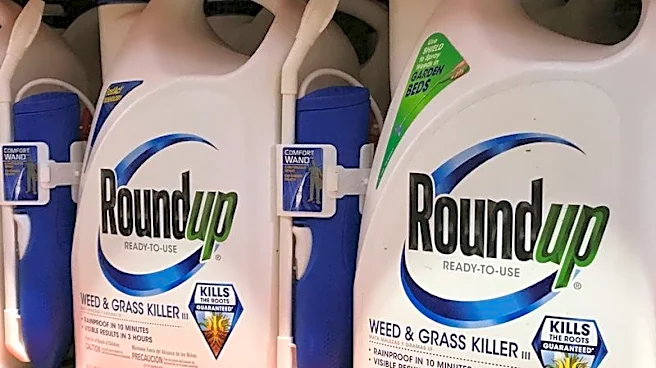
The U.S. Supreme Court is set to hear arguments in a significant case involving the Roundup weedkiller, produced by Bayer. The case involves tens of thousands of lawsuits claiming that exposure to the chemical glyphosate, the active ingredient in Roundup,
has caused cancer in users. The court will decide whether pesticide manufacturers can be granted immunity from failure-to-warn claims if they comply with U.S. Environmental Protection Agency (EPA) labeling rules. This case could impact Health Secretary Robert F. Kennedy Jr.'s 'Make America Healthy Again' (MAHA) campaign, which opposes pesticide use. The Trump administration, however, has increased glyphosate usage under an 'America-first' policy, creating tension within the MAHA movement.
Why It's Important?
The outcome of this case could have far-reaching implications for public health policy and the agricultural industry in the U.S. If the court rules in favor of Bayer, it could set a precedent that limits the ability of individuals to sue chemical manufacturers over health risks, potentially weakening consumer protections. This decision could also affect the MAHA campaign's efforts to reduce pesticide use and improve public health. Farmers, who rely on glyphosate for cost-effective weed control, may benefit from continued access to the herbicide, but public health advocates warn of potential health risks associated with its use.
What's Next?
The Supreme Court's decision could influence future regulatory policies and legal standards for chemical manufacturers. The case may also impact the upcoming Farm Bill, which includes provisions related to chemical exposure limits and legal liabilities for manufacturers. The decision could further strain the relationship between the Trump administration and public health advocates, as well as within the MAHA movement, as they navigate the balance between agricultural productivity and health concerns.