



What's Happening?
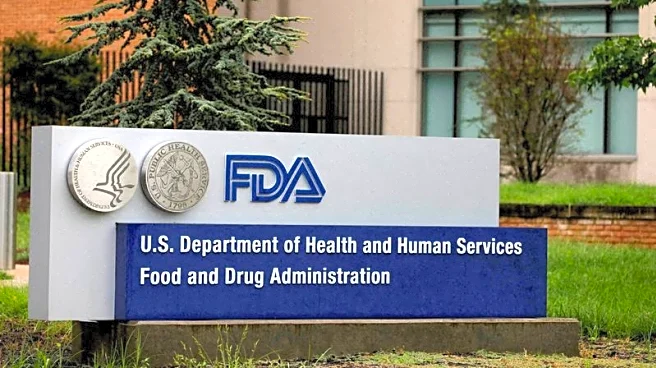
The European Medicines Agency (EMA) and the U.S. Food and Drug Administration (FDA) have jointly developed ten guiding principles for the use of artificial intelligence (AI) in the development and lifecycle of medicines. These principles aim to ensure
that AI technologies are used ethically and effectively across all stages of medicine development, from early research and clinical trials to manufacturing and safety monitoring. The guidelines emphasize a risk-based approach, adherence to legal and ethical standards, and the integration of multidisciplinary expertise. This collaboration marks a significant step in EU-US cooperation in medical technology, aiming to maintain leadership in global innovation while ensuring patient safety.
Why It's Important?
The establishment of these AI guidelines is crucial as it addresses the growing role of AI in the pharmaceutical industry. By setting a framework for ethical and effective AI use, the EMA and FDA aim to accelerate the development of safe and effective medicines, potentially reducing costs and preventing shortages. This collaboration could enhance international regulatory cooperation, fostering innovation while maintaining high safety standards. The guidelines also highlight the importance of transparency, reliability, and data protection, which are essential for gaining public trust and ensuring compliance with regulatory requirements.
What's Next?
The principles are expected to be supplemented by additional guidance that considers new legal requirements and legislation in the field of medicines. As AI technologies continue to evolve, ongoing monitoring and periodic re-evaluation will be necessary to ensure their performance and address any emerging risks. The collaboration between the EMA and FDA may lead to further international partnerships and the development of more comprehensive AI regulations in the pharmaceutical sector.