








What's Happening?
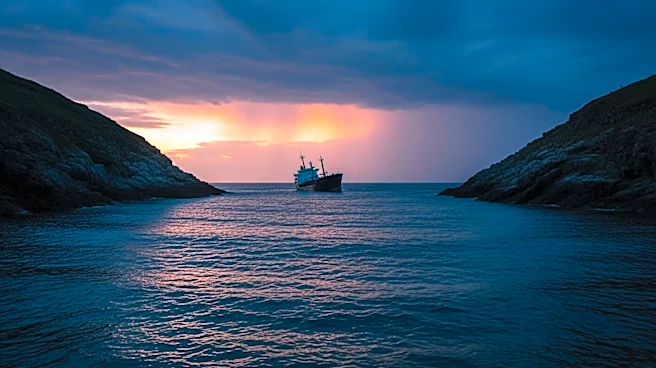
NATO is deliberating on a potential mission to ensure safe passage for ships through the Strait of Hormuz, which has been blocked by Iran since late February. This blockade followed the commencement of U.S. and Israeli military actions against Iran. The
closure of this critical waterway, which facilitates the transit of about 20% of the world's oil and liquefied natural gas, has led to significant economic repercussions, including soaring energy prices and declining growth forecasts. While some NATO members support the idea of intervening to reopen the strait, the alliance has not yet reached a unanimous decision. A meeting of NATO leaders is scheduled for July 7-8 in Ankara to discuss the issue further.
Why It's Important?
The blockade of the Strait of Hormuz has significant implications for global energy markets and international relations. The strait's closure has exacerbated economic challenges by driving up energy prices, which could lead to broader economic instability. For the U.S. and its allies, ensuring the free flow of oil and gas through this strategic chokepoint is crucial for maintaining energy security. The situation also highlights tensions within NATO, as member countries are divided on how to respond to the crisis. The potential involvement of NATO in reopening the strait could shift the alliance's strategic focus and impact its relations with non-NATO countries involved in the region.
What's Next?
NATO leaders are set to meet in Ankara in early July to discuss the potential mission in the Strait of Hormuz. The outcome of this meeting could determine whether NATO will take a more active role in ensuring the security of this vital shipping route. If the blockade persists, there may be increased pressure on NATO to act, despite some members' reluctance to become involved in the conflict. The situation also poses a diplomatic challenge, as NATO must balance its response with the interests of non-member countries and the broader international community.