








What's Happening?
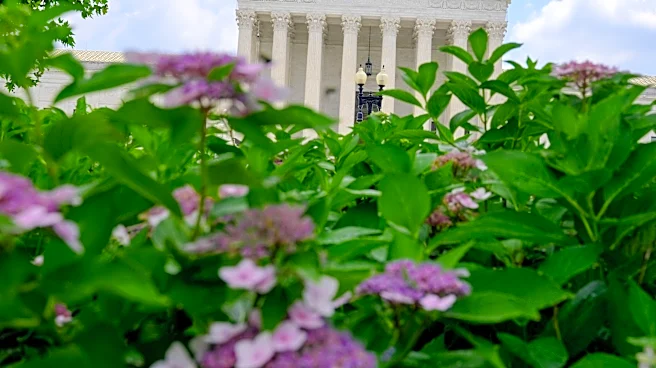
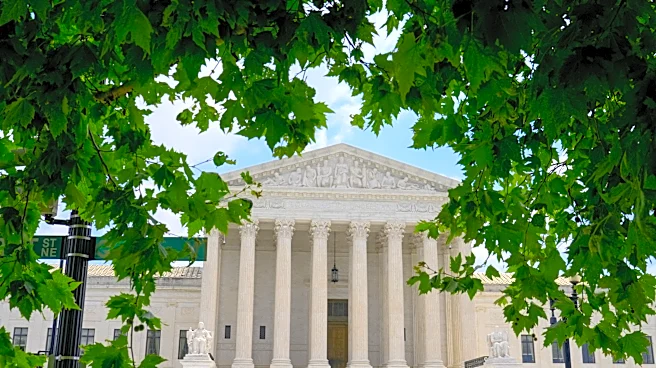
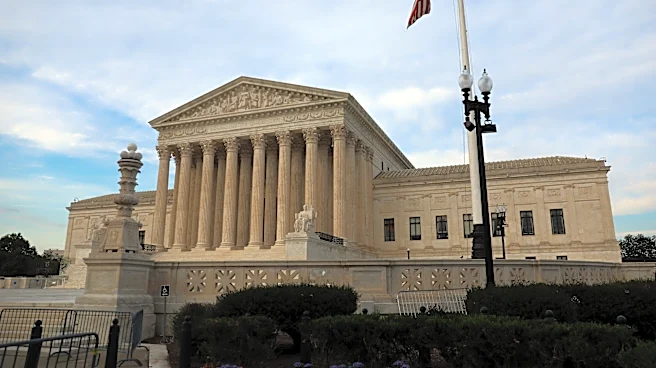
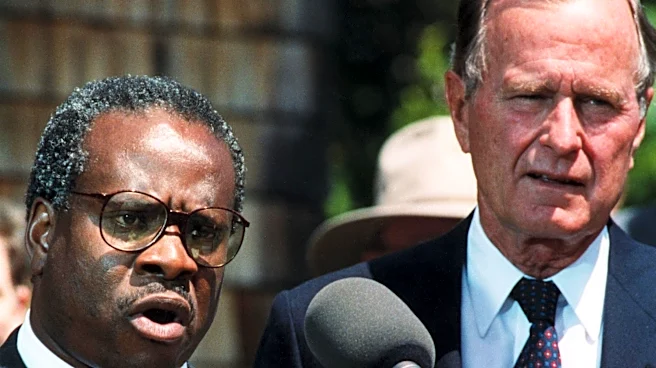
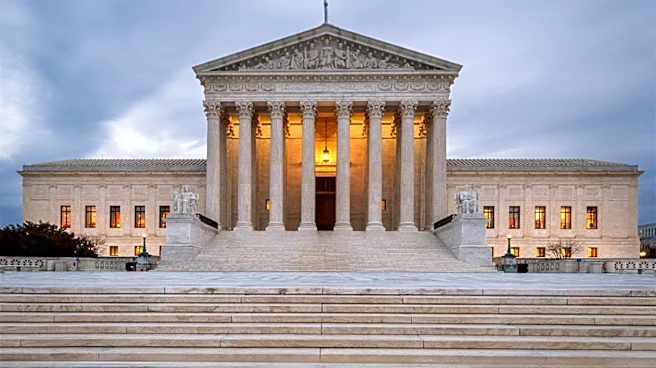
Supreme Court Justice Clarence Thomas has called for the Supreme Court to revisit the 1964 New York Times Co. v. Sullivan ruling, which established the 'actual malice' standard for defamation cases involving public figures. This standard requires public figures to prove
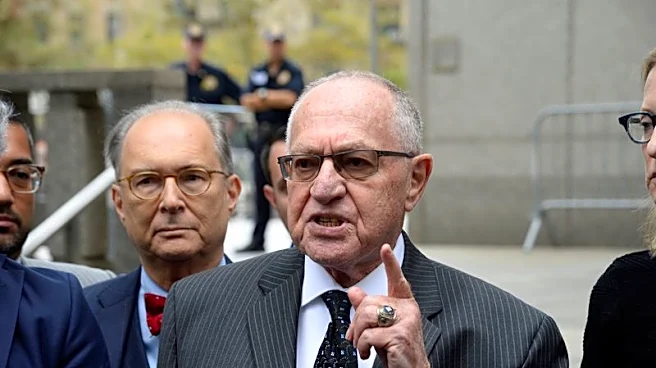
that false statements were made with knowledge of their falsity or with reckless disregard for the truth. Thomas, joined by Justice Neil Gorsuch, expressed this view in a dissent related to the court's decision not to hear a defamation case involving Alan Dershowitz and CNN. Thomas argues that the 'actual malice' standard is not constitutionally grounded and suggests that public figures should have stronger claims for damages when defamed.
Why It's Important?
Revisiting the New York Times Co. v. Sullivan ruling could significantly impact press freedom and the legal landscape for defamation cases in the U.S. The 'actual malice' standard has been a cornerstone of First Amendment protections for the press, allowing for robust public discourse and criticism of public officials without the fear of excessive litigation. Overturning this precedent could make it easier for public figures to win defamation lawsuits, potentially leading to a chilling effect on media outlets and journalists who might face increased legal risks when reporting on public figures. This shift could alter the balance between protecting reputational interests and ensuring free speech.
What's Next?
While Justice Thomas and Justice Gorsuch have signaled their willingness to revisit the 'actual malice' standard, the Supreme Court's decision to deny certiorari in the Dershowitz case suggests that there may not be enough support among the justices to take up the issue at this time. However, Thomas's continued advocacy for revisiting the ruling indicates that the issue may resurface in future cases. Legal experts and media organizations will likely monitor developments closely, as any changes to this legal standard could have far-reaching implications for press freedom and defamation law in the United States.