



What's Happening?
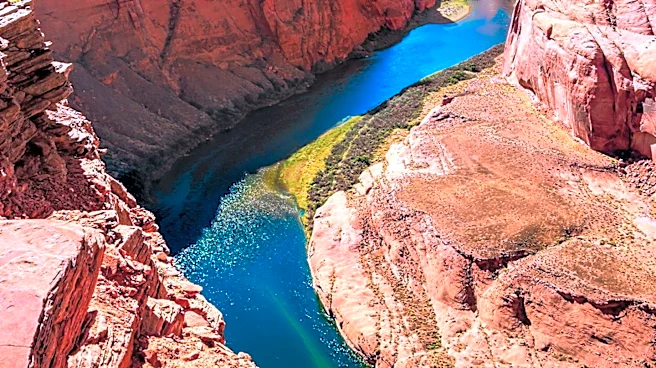
Arizona is advancing efforts to secure its water future by investing over $7 million to study two potential water projects in California. These projects aim to augment Arizona's Colorado River supply, which faces significant cuts. One proposal involves
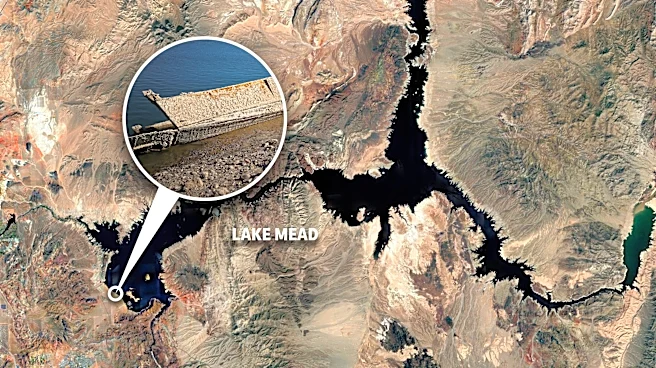
Arizona investing in California groundwater storage, with a portion of California's Colorado River water then being reallocated to Arizona. The second project would involve upgrading a water treatment plant near San Diego to purify Mexican sewage to drinking-water quality, returning it to Mexico in exchange for part of that county’s Colorado River treaty right. These studies are funded by the Water Infrastructure Finance Authority of Arizona (WIFA) and are part of a broader legislative mandate to secure up to 500,000 acre-feet of imported water within 10-15 years. Arizona is bracing for annual cuts of at least 760,000 acre-feet from its 2.8 million-acre-foot Colorado River allocation.
Why It's Important?
This initiative is critically important for Arizona's long-term water security and economic stability. The Colorado River is a vital water source, accounting for approximately 38% of tap-water deliveries in metro Phoenix. With impending cuts to its allocation, Arizona faces significant challenges in meeting the water demands of its growing population and agricultural sector. Investing in out-of-state water projects, particularly in California, demonstrates a proactive approach to mitigating the impacts of drought and climate change on water resources. While these projects could provide much-needed water, they also signal a potential increase in water costs for consumers, as imported and treated water is typically more expensive than current supplies. The success of these studies and subsequent projects could set a precedent for interstate water management and collaboration in the face of regional water scarcity, impacting industries from agriculture to urban development.
What's Next?
The initial phase of these studies, funded by WIFA, is expected to take approximately nine months. Following this period, the WIFA board will reassess the feasibility and potential benefits of each project to determine whether to continue supporting them or explore other options. If deemed viable, the construction of these projects would require significantly more funding, potentially involving further state investment, private partnerships, and commitments from Arizona cities and irrigation districts to purchase the imported water. Epcor, the project developer, will engage with potential partners in California and Mexico to secure commitments once more detailed information from the studies is available. Arizona is also considering other water import solutions, including seawater desalination plants in Mexico and California, which are expected to be reviewed by WIFA before the end of the year.
Beyond the Headlines
The pursuit of out-of-state water projects by Arizona highlights the escalating water crisis in the American Southwest, driven by prolonged drought and increased demand. This situation underscores the complex interdependencies of water resources across state lines and the necessity for innovative, collaborative solutions. The potential for Arizona to fund infrastructure in California or Mexico in exchange for water rights raises ethical and political questions about resource allocation, interstate cooperation, and the economic implications for all parties involved. It also brings to light the long-term financial burden on consumers, as the cost of water is expected to rise significantly. This development could reshape regional water policy, encouraging other states to explore similar cross-border or inter-basin transfer projects, and emphasizing the urgent need for sustainable water management strategies in the face of a changing climate.