
What's Happening?
The UNESCO World Heritage Committee has inscribed Japan's Asuka-Fujiwara archaeological sites on the World Heritage List as a cultural property. This decision, made during the committee's meeting in Busan,
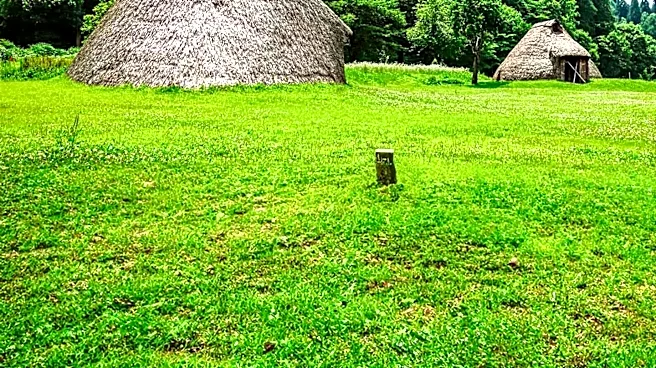
South Korea, marks Japan's 22nd cultural World Heritage site. The Asuka-Fujiwara sites, located in Nara Prefecture, consist of 19 archaeological sites from the sixth to eighth centuries, associated with the ancient imperial capitals of Asuka and Fujiwara. These sites demonstrate historical exchanges with China and Korea and the introduction of Buddhism, which significantly influenced Japanese culture. The sites also provide evidence of the formation of ancient capitals in East Asia.
Why It's Important?
The inclusion of the Asuka-Fujiwara sites on the World Heritage List underscores their cultural and historical importance, enhancing global recognition of Japan's rich heritage. This designation may boost tourism and academic interest in the region, contributing to local economic development and cultural preservation efforts. The recognition also highlights the interconnectedness of East Asian cultures and the historical significance of Japan's early state formation, offering insights into the region's shared heritage and cultural evolution.
What's Next?
Following the World Heritage designation, Japan is expected to continue research and preservation efforts for the Asuka-Fujiwara sites, particularly focusing on the restoration of mural paintings from the Takamatsuzuka and Kitora tombs. The Japanese government may also implement measures to manage increased tourist activity while ensuring the protection and sustainability of the sites. Additionally, this recognition could encourage further nominations of other culturally significant sites in Japan, promoting broader awareness and appreciation of the country's historical legacy.