






What's Happening?
Wisconsin officials announced that federal transportation funding exceeding $218 million has been secured to support the expansion of passenger rail service between Chicago and Madison. This funding, provided through the Federal Railroad Administration’s
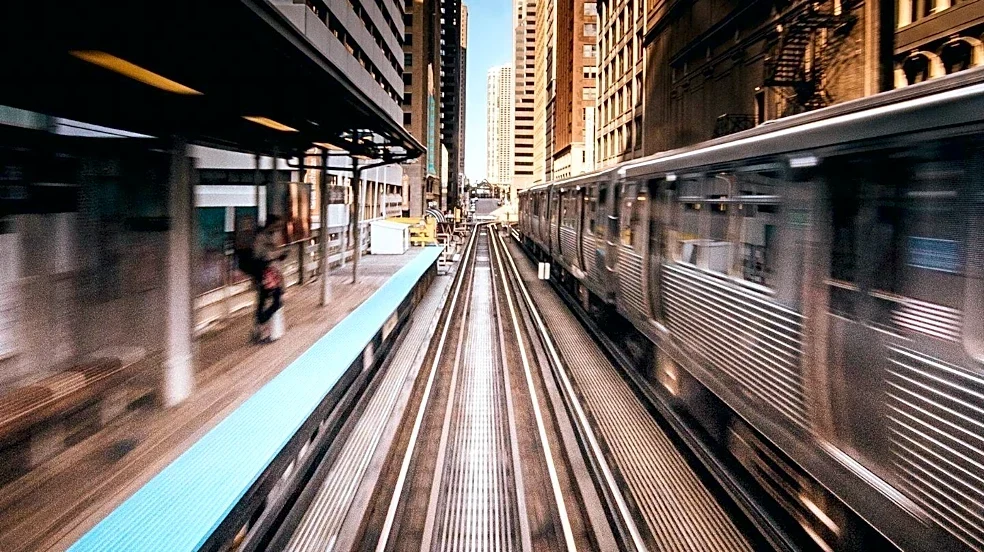
Consolidated Rail Infrastructure and Safety Improvements program, will facilitate the Hiawatha West Project. This project aims to extend intercity passenger rail service west from the existing Milwaukee to Chicago corridor, incorporating planned stops in Waukesha and Jefferson counties, and ultimately reaching Madison. The initiative will primarily utilize existing rail infrastructure, with necessary improvements to accommodate passenger trains and enhance freight operations. Planned upgrades include bridge rehabilitation, track and crossing improvements, and the construction of temporary passenger rail station facilities in Madison, Watertown, and Pewaukee, all accessible to individuals with disabilities.
Why It's Important?
This federal grant is a significant step towards improving transportation options and economic development in Wisconsin. The expansion of passenger rail service will provide residents with new ways to commute for work, school, and other activities, potentially reducing road congestion and travel times. Governor Tony Evers highlighted that the project is expected to create approximately 200 permanent jobs and generate an estimated $46 million in annual economic benefits for the state. Additionally, U.S. Senator Tammy Baldwin noted that these improvements could also benefit Wisconsin's agricultural and manufacturing sectors by enhancing the reliability and efficiency of freight rail service, ensuring timely delivery of products to customers. The project addresses a long-standing need for passenger rail connectivity to Madison, which has been without such service since 1971.
What's Next?
The secured federal funding will be used for the final design and construction phases of the Hiawatha West Project. The project will involve rehabilitating and expanding track capacity, improving bridges and rail crossings, and constructing new passenger rail station facilities. While the federal government is expected to cover 80 percent of the project costs, state and local partners will need to secure the remaining 20 percent. The successful implementation of this project will mark a significant milestone in Wisconsin's transportation infrastructure, building upon recent expansions like the Borealis service connecting St. Paul to Chicago. Officials will continue to oversee the project's development, aiming to bring passenger rail service back to Madison and enhance overall rail connectivity in the region.
Beyond the Headlines
This project represents more than just an expansion of rail lines; it signifies a renewed commitment to public transportation infrastructure and regional connectivity in the U.S. The history of passenger rail proposals in Wisconsin, including a previously halted high-speed rail project, underscores the challenges and political complexities often associated with such large-scale initiatives. The current proposal's focus on largely utilizing existing infrastructure, coupled with targeted investments, reflects a pragmatic approach to achieving long-desired transportation goals. This development could also stimulate further investment in transit-oriented development around the new station stops, fostering economic growth and urban revitalization. Moreover, the emphasis on accessibility for individuals with disabilities in the new facilities highlights a broader trend towards inclusive design in public infrastructure projects, ensuring that expanded transportation options benefit all community members.