




What's Happening?
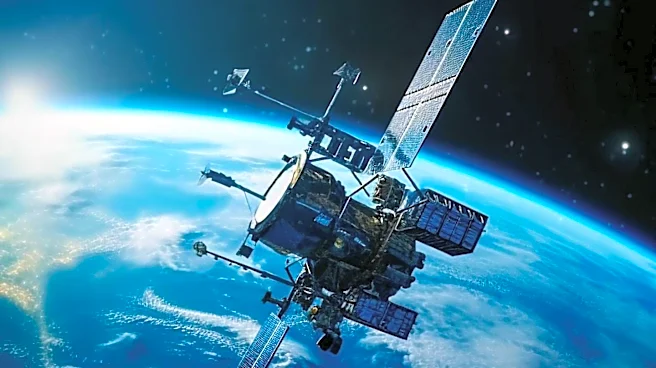
The ongoing conflict in Ukraine has prompted countries worldwide to accelerate the expansion of their spy satellite capabilities, according to Rafal Modrzewski, CEO of space-tech firm ICEYE. The war has underscored the importance of space-based surveillance
and intelligence gathering, leading nations such as Germany, Japan, India, and Brazil to invest heavily in satellite technology. European nations, in particular, have increased their space spending by 12% to 13.5 billion euros in 2025, driven by heightened national defense priorities. ICEYE, which specializes in radar-imaging satellites using synthetic aperture radar (SAR) technology, has seen a surge in demand for its products, which can capture data in various weather conditions and at night.
Why It's Important?
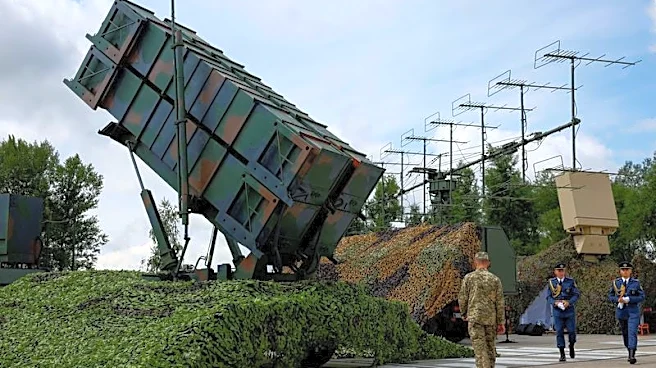
The expansion of spy satellite fleets reflects a broader shift in military strategy, where space assets are becoming critical components of national defense. The ability to gather real-time intelligence from space provides strategic advantages in modern warfare, as demonstrated by the conflicts in Ukraine and Iran. This trend is likely to continue as countries seek to enhance their sovereignty and security through advanced technological capabilities. The increased investment in space technology also highlights the growing importance of the space industry as a key area of geopolitical competition.
What's Next?
As countries continue to build out their satellite fleets, the space industry is poised for significant growth. Companies like ICEYE may explore opportunities to list on major stock exchanges, such as the U.S. Nasdaq, to access additional capital for expansion. The development of more unified capital markets in Europe could also influence the strategic decisions of space-tech firms. Additionally, the ongoing investment in space technology may lead to further innovations and collaborations, as nations and companies seek to maintain a competitive edge in the rapidly evolving space sector.