






What's Happening?
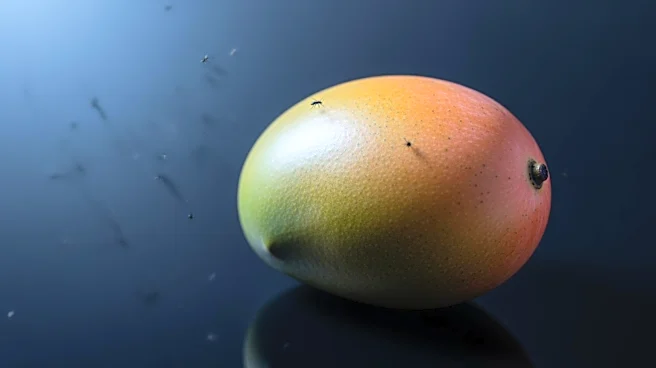
Japan has suspended mango imports from India due to lapses in pest-control procedures found during inspections at Indian treatment facilities. This suspension affects premium Indian mango varieties such as Alphonso, Kesar, Langra, and Banganapalli. The
ban, the first in 20 years, comes after Japanese quarantine officials identified deficiencies in the Vapour Heat Treatment (VHT) process, which is crucial for disinfecting mangoes before export. The suspension disrupts exports during the peak summer mango season, impacting Indian farmers already facing crop losses due to extreme weather conditions.
Why It's Important?
The suspension of mango imports by Japan is a significant setback for Indian exporters, as Japan is a high-value market for premium mango varieties. This move could damage confidence in India's agricultural quality-control systems and raise concerns among other importing countries. For Indian farmers, particularly in regions like Maharashtra, the ban exacerbates existing challenges posed by climate-related crop losses. The situation underscores the importance of stringent quality control measures and the potential economic impact of failing to meet international standards.
What's Next?
Indian authorities may need to address the identified deficiencies in pest-control procedures to restore confidence among international buyers. This could involve enhancing the VHT process and ensuring compliance with Japan's strict plant health standards. The ban may prompt other countries to scrutinize Indian agricultural exports more closely, potentially leading to broader implications for India's export market. In the short term, Indian exporters will need to find alternative markets to mitigate the financial impact of the suspension.