
What's Happening?
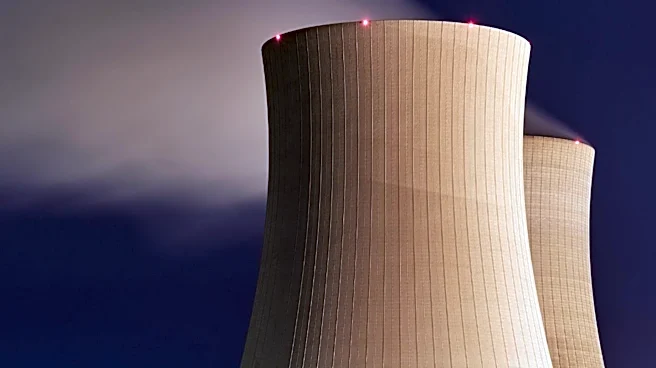
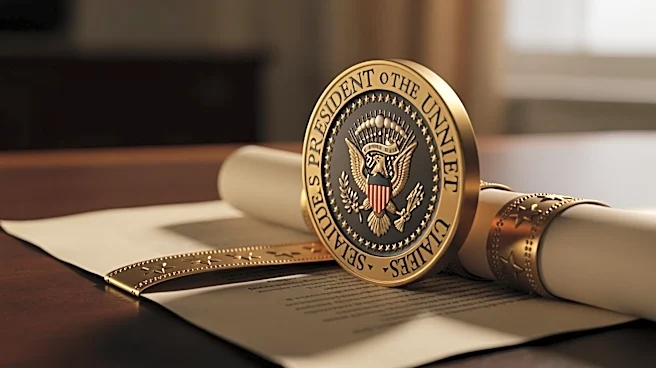
Concerns are growing over President Trump's authority to unilaterally launch nuclear weapons, as highlighted in recent letters to the editor. Critics argue that the current system, which grants the president
sole control over nuclear decisions, is outdated and dangerous. The debate centers on the need for checks and balances to prevent potential misuse of nuclear power. Some suggest constitutional amendments to transfer this authority to a panel of military leaders and statesmen. The discussion reflects broader anxieties about the concentration of power in the executive branch and the implications for global security.
Why It's Important?
The issue of nuclear authority is critical due to the catastrophic potential of nuclear weapons. The debate underscores the tension between executive power and democratic oversight, raising questions about the adequacy of current safeguards. The outcome of this debate could influence U.S. nuclear policy and international perceptions of American leadership. Ensuring responsible control over nuclear weapons is vital for maintaining global stability and preventing escalation of conflicts. The discussion also highlights the need for modernizing constitutional frameworks to address contemporary security challenges.
What's Next?
The debate over nuclear authority is likely to continue, with potential legislative efforts to introduce checks on presidential power. Public and political pressure may drive discussions on constitutional amendments or policy reforms. The administration's response to these concerns will be closely watched, as it could impact domestic and international confidence in U.S. leadership. Ongoing dialogue among policymakers, military leaders, and the public will be crucial in shaping the future of nuclear governance.