




What's Happening?
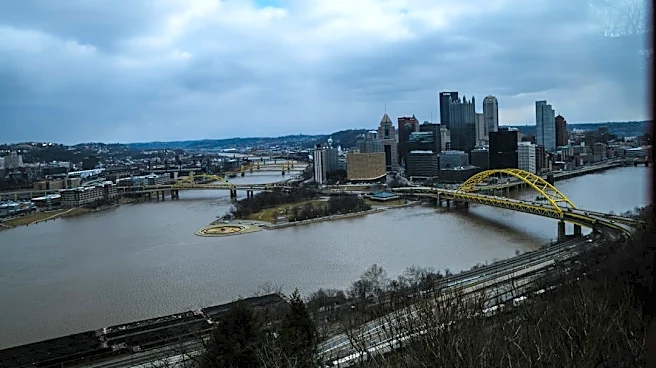
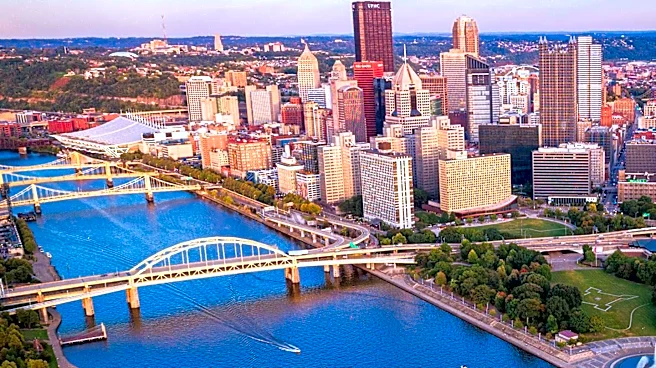
The Shapiro Administration has announced significant progress on Governor Josh Shapiro’s 10-year plan to revitalize Downtown Pittsburgh. This includes the completion of multiple housing projects by Beacon Communities, adding 327 new housing units to the city.
The Governor's plan aims to add or preserve nearly 1,000 residential units in Downtown Pittsburgh's core, with one-third designated as affordable housing for low-to-moderate-income residents. So far, ground has been broken on at least 608 new housing units. Key projects include The Standard on Fifth, adding 51 units (40 affordable), Scholar House (97 affordable apartments, 49 for single parents pursuing higher education), First and Market (93 affordable senior housing units), and The May Building (86 high-rise apartments, 66 income-restricted). The revitalization plan also focuses on improving public safety, creating new public spaces like Arts Landing, and completing renovations at Point State Park.
Why It's Important?
This initiative is vital for addressing housing affordability and urban development in Pittsburgh, a major U.S. city. By focusing on creating both market-rate and affordable housing units, the Shapiro Administration is directly tackling a critical social and economic challenge. The plan's commitment to reserving a significant portion of new units for low-to-moderate-income residents ensures that the revitalization benefits a broad spectrum of the population, preventing gentrification from displacing existing communities. Furthermore, the comprehensive approach that includes public safety, green spaces, and infrastructure improvements aims to create a more livable and attractive downtown, which can draw new residents and businesses, thereby boosting the local economy. This integrated strategy serves as a model for urban renewal, demonstrating how public-private partnerships can drive significant positive change in metropolitan areas.
What's Next?
Construction continues on several projects, including the conversion of Smithfield Lofts, The Porter, and 933 Penn Avenue, with groundbreaking expected soon for Gulf Tower. The YWCA Building project is currently being restructured by state and local partners. The Shapiro Administration plans to continue building more affordable housing and implementing other aspects of the 10-year revitalization plan for Downtown Pittsburgh. This includes ongoing efforts to improve public safety, maintain cleanliness, and enhance affordability. The long-term vision is to establish Downtown Pittsburgh as a thriving center for innovation, opportunity, and culture, with continued collaboration between the private and public sectors to achieve these goals. The success of these initial projects will likely inform future phases of the revitalization effort.
Beyond the Headlines
The Pittsburgh revitalization plan extends beyond mere construction; it represents a strategic effort to redefine the urban core as a dynamic and inclusive space. By integrating affordable housing with public space improvements and safety initiatives, the plan addresses the multifaceted needs of a modern city. This holistic approach can foster a stronger sense of community, encourage diverse populations to live and work downtown, and stimulate a vibrant cultural scene. The involvement of various stakeholders, including local government, corporate leaders, and nonprofits, highlights a collaborative governance model that could be replicated in other urban centers facing similar challenges. Ultimately, this initiative aims to create a sustainable urban ecosystem where economic growth, social equity, and cultural richness are mutually reinforcing, contributing to Pittsburgh's long-term prosperity and appeal.