





What's Happening?
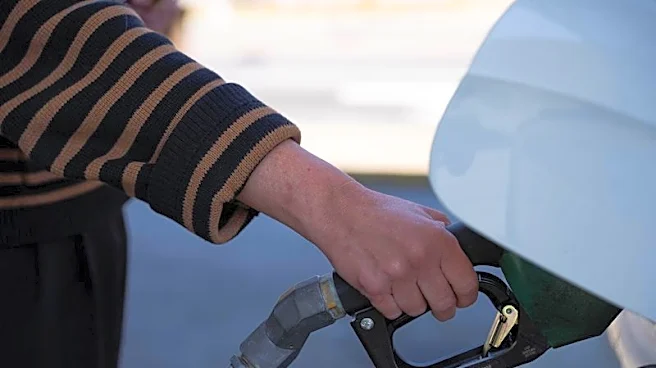
A Chevron gas station in Menlo Park, California, has become a focal point of consumer frustration due to its gas prices reaching $7.69 per gallon, significantly higher than the national average of $4.125. This price spike has drawn attention from major
news outlets and social media, highlighting the broader issue of high fuel costs in California. The state's unique low-emissions gasoline blend, additional taxes, and limited pipeline access contribute to these elevated prices. California is often referred to as a 'gasoline island' due to its reliance on imports, which are more expensive and slower to arrive. The high cost of living in areas like Menlo Park, where housing prices are significantly above the national average, further exacerbates the situation.
Why It's Important?
The soaring gas prices in California, particularly in affluent areas like Menlo Park, underscore the broader economic challenges faced by residents. High fuel costs impact daily commuting and living expenses, disproportionately affecting those with lower incomes. The reliance on imported fuel and geopolitical tensions, such as the recent conflict involving Iran, contribute to the volatility of gas prices. These factors highlight the vulnerability of California's energy supply chain and the need for sustainable solutions. The situation also reflects the broader economic pressures in high-cost living areas, where residents must navigate the balance between income and essential expenses.
What's Next?
As gas prices continue to rise, residents and policymakers may seek alternative solutions to mitigate the impact. This could include increased investment in public transportation, incentives for electric vehicle adoption, or policy changes to address the state's reliance on imported fuel. The ongoing geopolitical tensions and potential for further disruptions in the oil market suggest that high gas prices may persist, prompting a reevaluation of energy strategies at both state and national levels. Community responses and potential legislative actions will be crucial in addressing these challenges.
Beyond the Headlines
The high gas prices in California also raise questions about environmental policy and economic equity. The state's commitment to low-emissions fuel blends reflects its environmental priorities, but the financial burden on residents highlights the need for equitable solutions. The situation may prompt discussions on balancing environmental goals with economic accessibility, particularly for lower-income communities. Additionally, the reliance on imports from politically unstable regions underscores the importance of diversifying energy sources to enhance resilience against global market fluctuations.