





What's Happening?
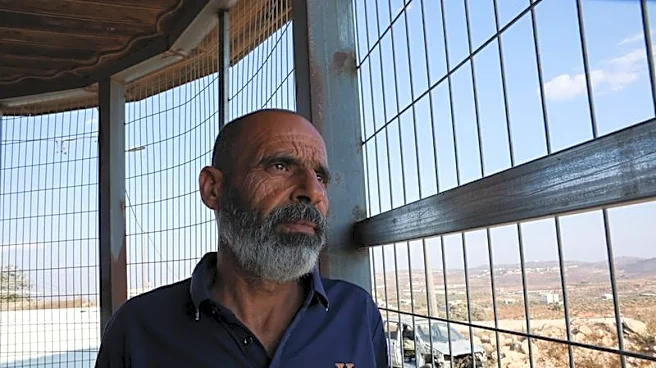
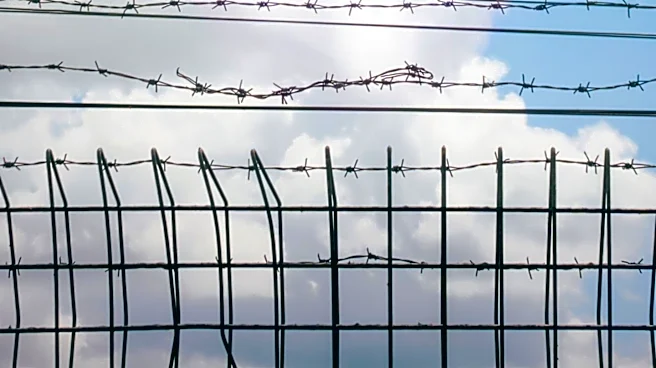
Tito Duang Dhieu, the paramount chief of Gomjuer Centre in Aweil West County, has been detained by the Internal Security Bureau (ISB) of the National Security Service. His arrest occurred on Friday after he visited Nyamlel Prison, took photographs of the inmates'
living conditions, and subsequently shared them publicly without government authorization. According to Aweil West County Commissioner Abuol Akok Akok, Duang was transferred to Aweil town. The chief's visit followed the death of an inmate on Thursday, reportedly due to hunger and illness, prompting him to expose the prison conditions and seek assistance for vulnerable detainees. Photographs seen by Radio Tamazuj depicted inmates living in poor conditions. The Commissioner stated that Duang should have reported the issue to her first to address it through legal channels.
Why It's Important?
This incident highlights critical issues regarding transparency, human rights, and freedom of expression within South Sudan's justice system. The detention of a chief for exposing poor prison conditions raises concerns about the government's response to public scrutiny and its commitment to addressing systemic problems. Poor prison conditions, including overcrowding, inadequate food, water, sanitation, and limited medical care, have been widely documented by organizations like Human Rights Watch. The chief's actions, while unauthorized, brought attention to a severe humanitarian concern. His arrest could deter others from reporting abuses or advocating for vulnerable populations, thereby perpetuating a cycle of neglect and impunity within correctional facilities.
What's Next?
The detention of Chief Tito Duang Dhieu will likely draw attention from human rights organizations and potentially lead to calls for his release and an investigation into the circumstances of his arrest. There may be increased pressure on local authorities to address the documented poor conditions at Nyamlel Prison and other correctional facilities in South Sudan. The incident could also spark a broader debate about the role of traditional leaders in advocating for their communities and the limits of free expression in the country. The National Security Service may face scrutiny regarding its involvement in detaining a civilian for actions related to public welfare, especially given that civilian detainees are typically held by the police.
Beyond the Headlines
The detention of Chief Duang underscores a deeper tension between traditional authority and state control, particularly when traditional leaders act as advocates for their communities. In many parts of South Sudan, chiefs play a crucial role in local governance and community welfare. When their efforts to highlight systemic failures are met with detention, it signals a broader suppression of dissent and a reluctance by authorities to acknowledge and rectify problems. This situation can erode public trust in both traditional and state institutions, potentially leading to increased social unrest. The incident also brings to light the persistent challenges of prison reform and human rights protection in post-conflict settings, where accountability mechanisms may be weak and the plight of incarcerated individuals often overlooked.