

What's Happening?
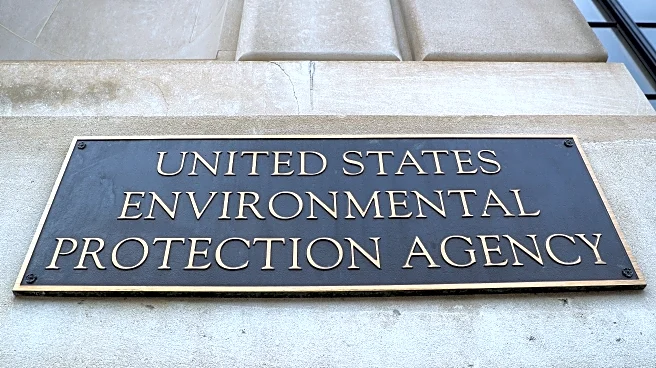
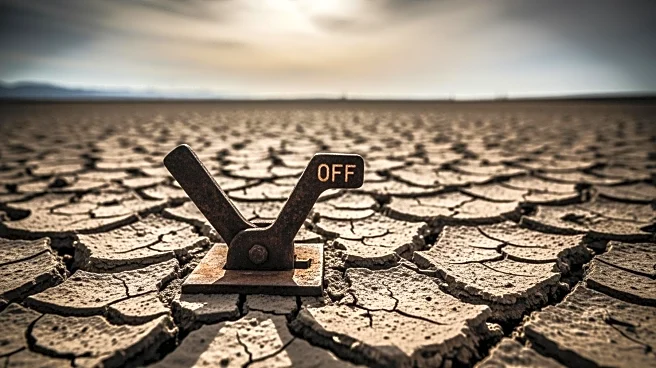
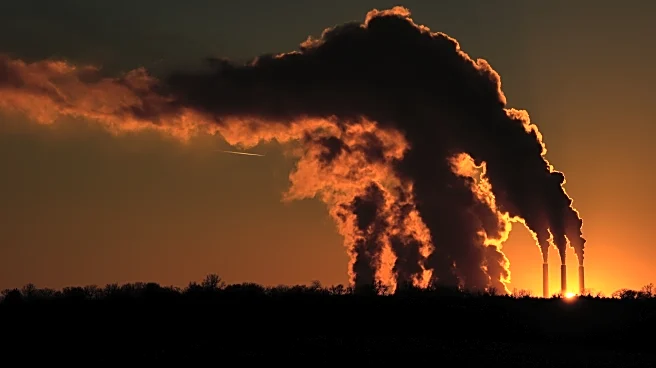
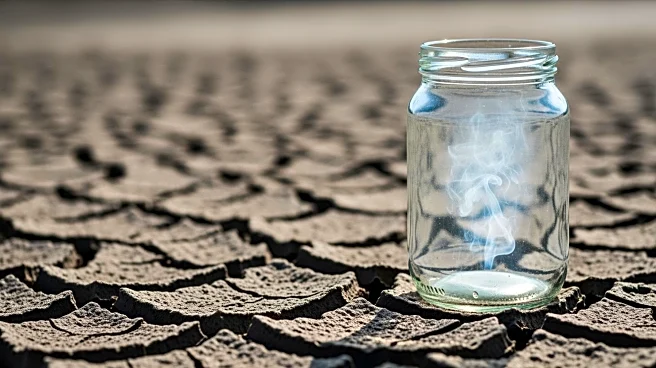
The Trump administration has repealed a critical scientific determination that underpins federal greenhouse gas regulations, marking a significant reversal in U.S. climate policy. This decision has drawn criticism from environmentalists and other stakeholders
who argue that it undermines efforts to combat climate change. The repeal is expected to affect various U.S. policies aimed at reducing pollution, with potential impacts on the Midwest, including increased extreme weather events and environmental degradation. The Sierra Club and other environmental groups have condemned the move, citing the need for regulatory protection against greenhouse gases.
Why It's Important?
This policy reversal could have far-reaching implications for the U.S. and global efforts to address climate change. By dismantling regulations that limit greenhouse gas emissions, the decision may hinder progress in reducing carbon footprints and mitigating climate-related risks. The move could also affect the U.S.'s international standing on environmental issues and its commitments to global climate agreements. Domestically, the repeal may lead to increased pollution and environmental challenges, particularly in regions already experiencing climate-related impacts.
What's Next?
Environmental groups and state governments may pursue legal action to challenge the repeal and seek to reinstate the regulations. The decision could also become a focal point in political debates, influencing future legislative and executive actions on climate policy. As the U.S. navigates its climate strategy, stakeholders will likely advocate for alternative measures to address environmental concerns and promote sustainable practices. The outcome of these efforts will shape the country's approach to climate change and its role in global environmental initiatives.