

What's Happening?
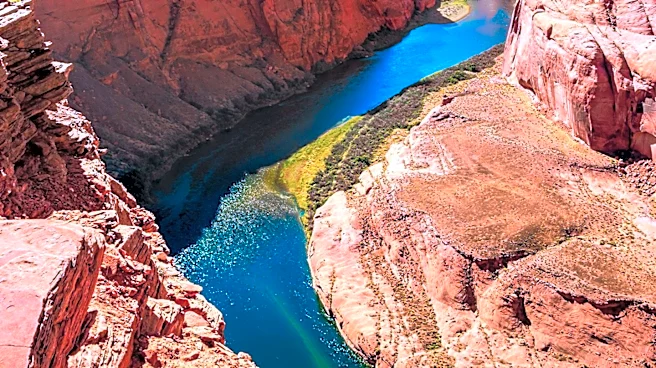
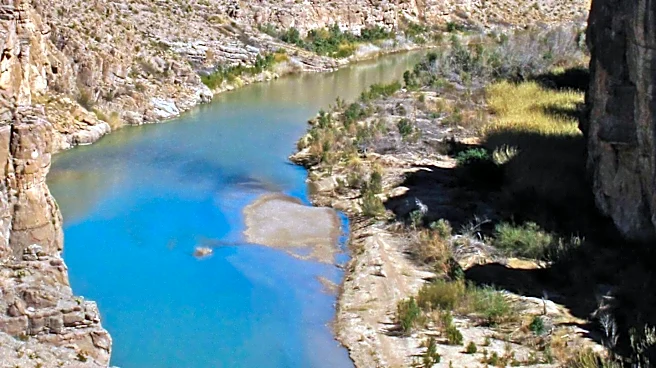
Senator Martin Heinrich (D-NM) recently attended the Gila Wild and Scenic Film Festival in Silver City, New Mexico, where he engaged in discussions about environmental preservation. The festival showcased films highlighting the Gila River, recognized
as one of the last free-flowing rivers in the Southwest. Senator Heinrich, alongside U.S. Representative Gabe Vasquez, supports the M.H. Dutch Salmon Greater Gila Wild and Scenic River Act. This proposed legislation aims to provide permanent protection for over 400 miles of streams and rivers within the Gila region. The initiative seeks to ensure the long-term preservation of these vital waterways for future generations. The event provided a platform for community engagement on the importance of maintaining and protecting the natural environment of New Mexico.
Why It's Important?
The M.H. Dutch Salmon Greater Gila Wild and Scenic River Act holds significant importance for environmental conservation and public policy in the U.S., particularly in the Southwest. Protecting over 400 miles of rivers and streams in the Gila region would safeguard critical ecosystems, biodiversity, and water resources. This legislative effort reflects a broader national interest in preserving natural landscapes and ensuring sustainable water management, especially in arid regions facing increasing environmental pressures. The Gila River's status as one of the last free-flowing rivers underscores its ecological value and the urgency of protective measures. Successful passage of this act could set a precedent for similar conservation initiatives across the country, influencing how other states approach the protection of their natural waterways. It also highlights the role of federal lawmakers in addressing local environmental concerns with national implications.
What's Next?
The next steps for the M.H. Dutch Salmon Greater Gila Wild and Scenic River Act will likely involve continued legislative efforts in Congress. Senator Heinrich and U.S. Representative Vasquez will need to garner further support from their colleagues to advance the bill through the legislative process. Public engagement, as demonstrated by the film festival, will remain crucial in building momentum for the act's passage. Environmental advocacy groups and local communities are expected to continue their lobbying efforts to emphasize the ecological and cultural significance of the Gila River. The bill's progression will depend on legislative priorities, bipartisan cooperation, and the ability of its proponents to articulate its long-term benefits for both the environment and the communities that rely on these water resources. Future discussions and potential amendments may also shape the final form of the legislation.
Beyond the Headlines
Beyond the immediate legislative goal, the push to protect the Gila River through the M.H. Dutch Salmon Greater Gila Wild and Scenic River Act touches upon deeper ethical and cultural dimensions. The preservation of free-flowing rivers is not merely an environmental issue but also a matter of cultural heritage for indigenous communities and a testament to the intrinsic value of untouched natural spaces. This initiative reflects a growing societal recognition of the need to balance economic development with ecological stewardship. The act could influence future land use policies and resource management strategies in the Southwest, potentially shifting the paradigm towards more sustainable practices. It also underscores the ongoing debate about federal versus local control over natural resources and the role of legislative action in safeguarding environmental assets for future generations, highlighting the long-term shifts in environmental consciousness and policy-making.