





What's Happening?
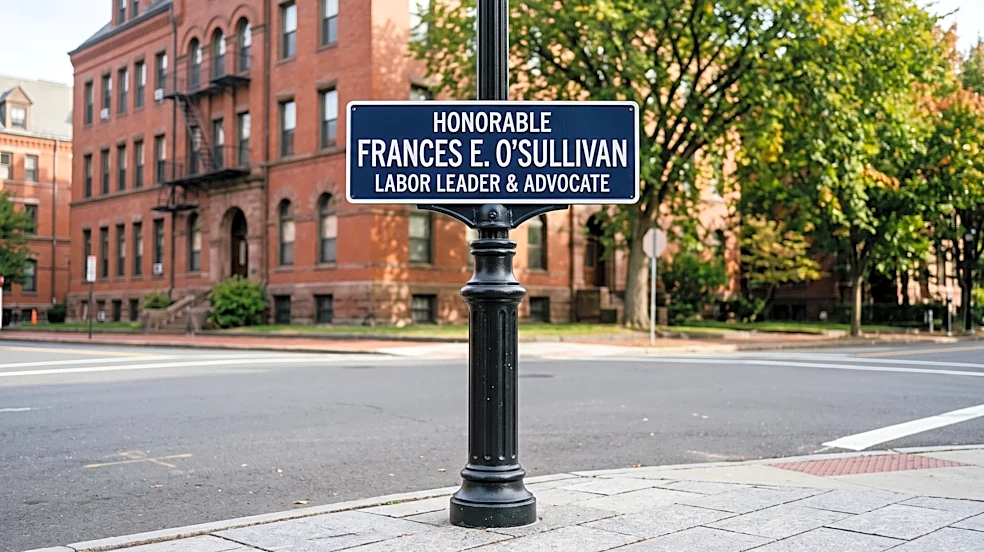
The intersection of College and Elm Streets in New Haven, Connecticut, has been officially renamed 'John Wilhelm Corner.' This dedication honors John Wilhelm, a pivotal figure in transforming labor relations between New Haven and Yale University. Wilhelm led
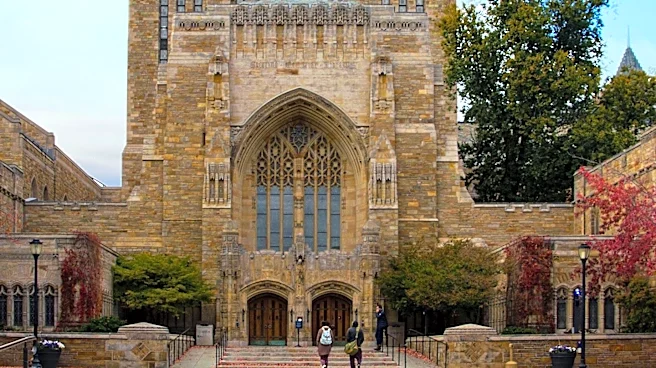
organizing drives and strikes that significantly strengthened Yale's blue- and pink-collar unions, establishing them as a political force in the latter half of the 20th century. He later became the national president of the UNITE HERE union. The effort to rename the corner was spearheaded by a group of Yale retirees, and the Board of Alders, whose labor-backed majority emerged from Wilhelm's activism, unanimously approved the change. A crowd of 140 New Haven residents, including U.S. Rep. Rosa DeLauro, a long-time collaborator of Wilhelm, attended the sign unveiling ceremony. Speakers at the event highlighted Wilhelm's legacy of union victories at Yale, which improved wages, benefits, and retirement security for various low-paid workers, including custodians, dining hall staff, graduate student-teachers, scientists, and office workers.
Why It's Important?
The renaming of this prominent New Haven intersection signifies the enduring impact of labor organizing on local politics and community development. John Wilhelm's work at Yale University not only improved the lives of countless workers but also demonstrated the power of combining campus labor activism with political organizing, leading to a labor-backed majority on the Board of Alders. This event underscores the historical significance of union movements in shaping urban landscapes and influencing policy decisions. The recognition of Wilhelm's contributions serves as a reminder of the ongoing relevance of labor rights and collective bargaining in the U.S. It also highlights the potential for sustained activism to create lasting change, as evidenced by the decades of union victories that lifted the economic well-being of a diverse workforce. The presence of U.S. Rep. Rosa DeLauro at the ceremony further emphasizes the connection between local labor movements and national political figures.
What's Next?
John Wilhelm, now retired, used the occasion to address current labor challenges, including the ongoing negotiations between Yale and its unions for a new contract, which are set to expire in January. He expressed hope that a strike could be avoided if the university recognizes the mutual benefits of fair labor practices. Wilhelm's remarks suggest that the spirit of activism he fostered continues to influence current labor discussions and potential actions. The renaming of the corner is not just a historical tribute but also a symbolic gesture that could inspire future generations of labor organizers and activists in New Haven and beyond. The ongoing contract negotiations at Yale will be a key indicator of how the university and its unions continue to navigate labor relations in the shadow of Wilhelm's legacy.
Beyond the Headlines
The renaming of 'John Wilhelm Corner' reflects a deeper narrative about the evolution of town-gown relations and the persistent struggle for social and economic justice. Wilhelm's success in uniting diverse groups across class and racial lines for common goals offers a model for contemporary activism. The fact that the new sign faces the university, as noted by U.S. Rep. Rosa DeLauro, symbolizes a permanent reminder to Yale of its responsibilities towards its workforce and the broader community. This event also subtly highlights the generational transfer of labor leadership, with Wilhelm's son unveiling the sign and his protégé, Gwen Mills, becoming the first female national president of UNITE HERE. It underscores the long-term commitment required to build and sustain powerful labor movements and their lasting influence on American society and its institutions.