




What's Happening?
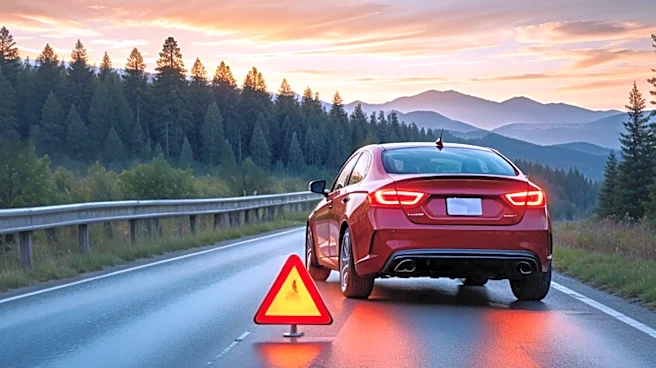
The Idaho State Police (ISP) has reported that 85 individuals have died on Idaho roadways during the period known as the '100 Deadliest Days of Summer.' This period, typically from Memorial Day to Labor Day, is characterized by an increase in traffic
fatalities. As the summer season concludes, the ISP is intensifying enforcement efforts, particularly with the Treasure Valley DUI Task Force conducting a four-day operation. This initiative aims to curb impaired driving and other dangerous behaviors to prevent further fatalities during the holiday weekend.
Why It's Important?
The statistic of 85 fatalities during the '100 Deadliest Days' highlights a critical public safety issue in Idaho. Each death represents a profound loss, impacting families and communities across the state. This high number underscores the persistent challenges of road safety, including issues like impaired driving, distracted driving, and speeding. The increased enforcement by the ISP and the Treasure Valley DUI Task Force is crucial for deterring dangerous driving behaviors and saving lives. It also serves as a stark reminder to all drivers about the importance of responsible driving habits, especially during periods of increased travel and holiday celebrations.
What's Next?
In response to the high fatality count, the Idaho State Police will continue its enforcement operations, particularly focusing on holiday weekends and periods of increased travel. Public awareness campaigns are likely to be launched or intensified, emphasizing the dangers of impaired and distracted driving. The ISP may also collaborate with local agencies and community organizations to promote safe driving practices and offer educational resources. Data from this period will be analyzed to identify trends and inform future traffic safety strategies, potentially leading to policy changes or targeted interventions aimed at reducing road fatalities in Idaho.
Beyond the Headlines
The '100 Deadliest Days' statistic goes beyond mere numbers; it reflects a societal challenge in balancing personal freedom with collective safety on public roads. It prompts deeper discussions about individual responsibility, the effectiveness of current traffic laws, and the need for continuous innovation in vehicle safety technology. Ethically, it raises questions about how communities can foster a culture of safety and accountability among drivers. The long-term implications include the potential for increased insurance rates, strain on emergency services, and the enduring emotional toll on those affected by preventable accidents, underscoring the need for a comprehensive approach to road safety.