






What's Happening?
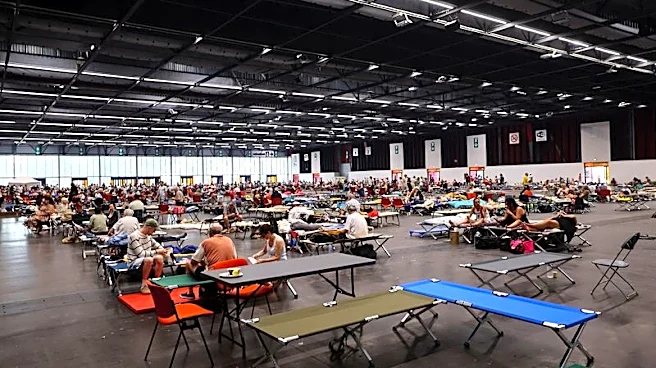
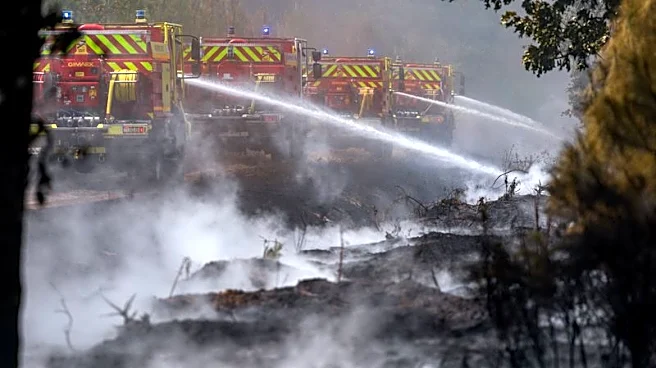
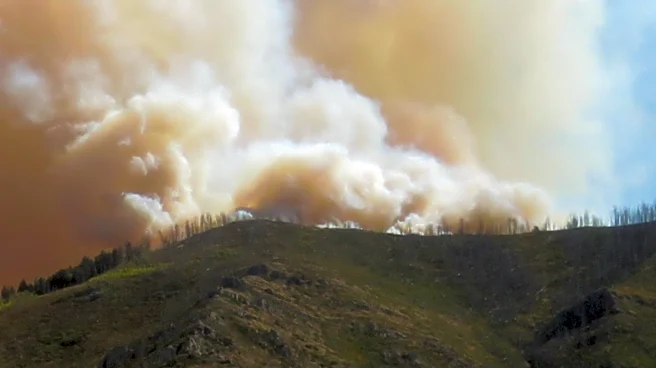
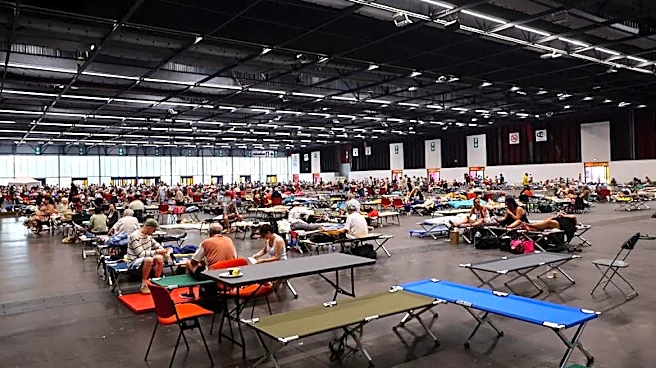
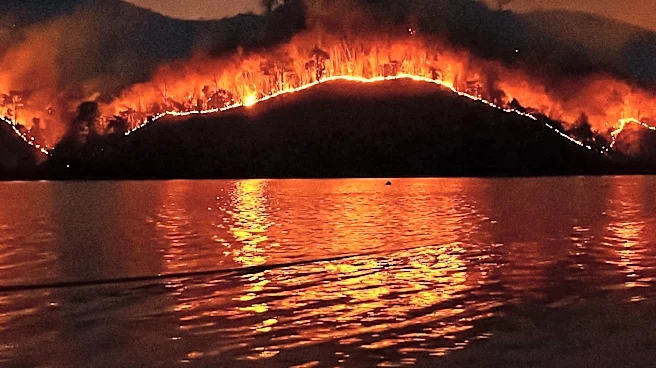
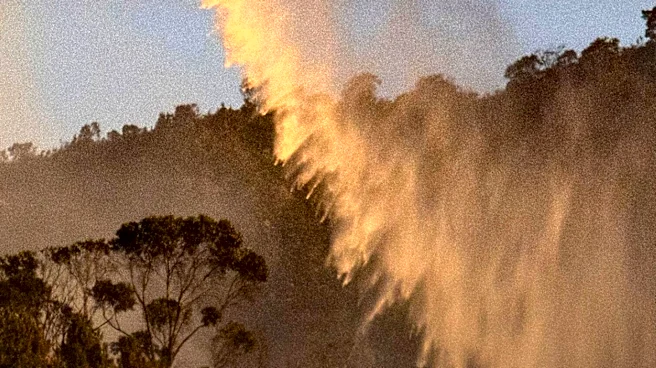
France is facing a severe wildfire crisis, with authorities evacuating nearly 4,000 people from tourist sites on the Atlantic coast due to a massive wildfire near Bordeaux. The situation is part of a broader emergency across southwestern Europe, where
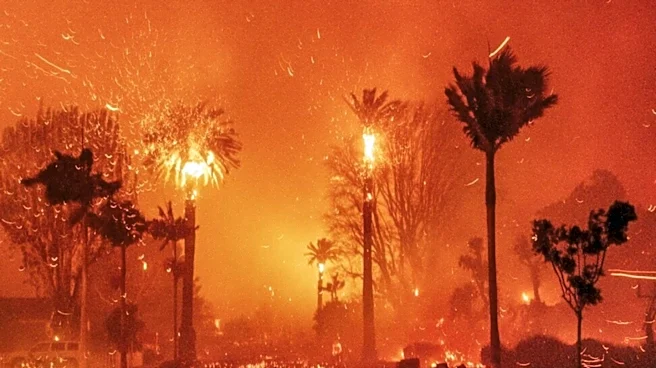
fires in France and Spain have forced approximately 330,000 people to evacuate. Spain is experiencing its fourth heatwave of the summer, with several fires still uncontrolled, including the largest on record. In France, firefighters have managed to stabilize the blaze, but the threat remains as temperatures rise and humidity drops. The Gironde region, where the fire is located, is under a yellow heat warning, with inland temperatures expected to reach 33 to 35 degrees Celsius. This year, over 1,160 square kilometers have burned across France, highlighting the continent's rapid warming, which is occurring at more than twice the global average.
Why It's Important?
The wildfires in France and Spain underscore the growing impact of climate change on Europe, which is the fastest-warming continent. The fires have caused significant disruptions, with mass evacuations affecting tourism and local economies. The situation highlights the urgent need for enhanced firefighting capabilities and climate adaptation strategies. The fires also pose a threat to biodiversity and natural landscapes, with long-term implications for environmental conservation. As Europe grapples with these challenges, the events serve as a stark reminder of the broader climate emergency and the need for global cooperation to mitigate its effects.
What's Next?
As temperatures continue to rise, the risk of further flare-ups remains high. Authorities in both France and Spain are on high alert, with additional resources being mobilized to contain the fires. The situation is expected to remain critical, with the potential for more evacuations and disruptions. Policymakers may face increased pressure to implement stronger climate policies and invest in sustainable infrastructure to prevent future crises. The international community will likely monitor the situation closely, as Europe’s response could set a precedent for addressing similar challenges worldwide.