







What's Happening?
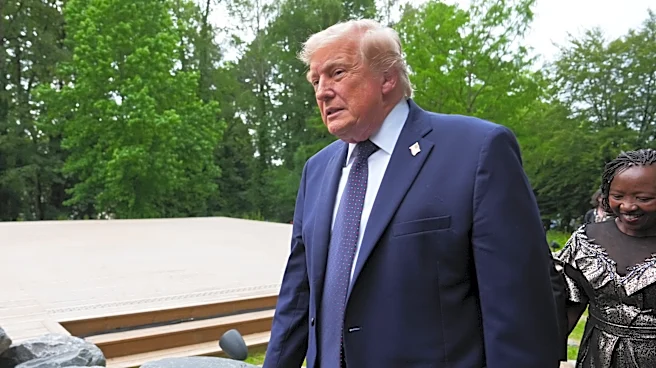
President Donald Trump's approval ratings have reached some of the lowest levels of his second term, according to recent polling data. A new NPR/PBS NewsHour/Marist poll indicates that only 36% of Americans approve of Trump's overall job performance,
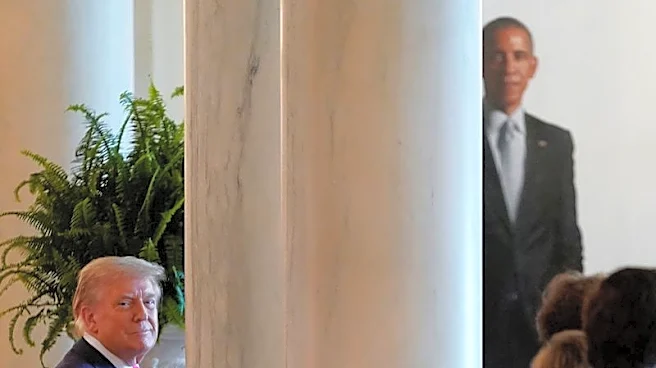
while 59% disapprove. This marks the widest gap he has faced during his presidency. The poll highlights a significant decline in support among rural voters, a key demographic that supported his 2024 campaign, with approval dropping by 32 percentage points since he returned to the White House. Despite these challenges, a CNN poll suggests that Trump is still viewed more favorably than his predecessor, former President Joe Biden, although both trail former President Barack Obama in public favorability.
Why It's Important?
The decline in President Trump's approval ratings is significant as it reflects growing public dissatisfaction with his handling of key issues, particularly the economy. Concerns over inflation and the administration's approach to foreign policy, especially regarding Iran, have contributed to this downturn. The erosion of support among rural voters, traditionally a strong base for Trump, could have implications for upcoming elections. The data suggests a potential shift in political dynamics, with Democrats seeing an opportunity to capitalize on Trump's declining popularity. This situation underscores the challenges Trump faces in maintaining his coalition and the potential impact on the Republican Party's strategy moving forward.
What's Next?
As the midterm elections approach, both Republicans and Democrats are strategizing based on these polling trends. Republicans currently hold a narrow majority in the House, and Trump's declining approval ratings could influence voter turnout and party support. Democrats are optimistic about their chances, pointing to recent special election performances and Trump's unpopularity as potential advantages. The outcome of the midterms could significantly affect the legislative agenda and the balance of power in Congress. Additionally, Trump's administration may need to address economic concerns and foreign policy issues to regain public confidence.