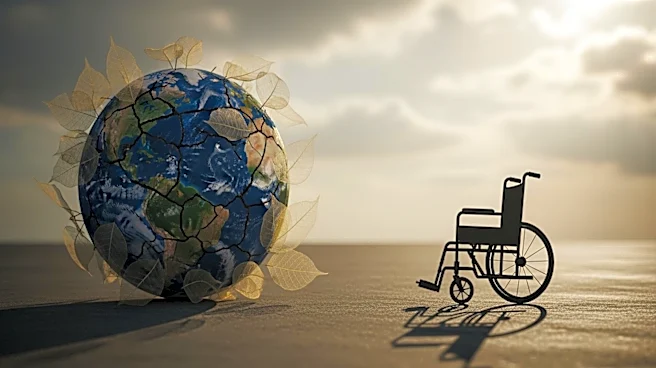

What's Happening?
As climate disasters increase in frequency and severity, the impact on disabled individuals is becoming more pronounced. According to a report, people with disabilities are up to four times more likely
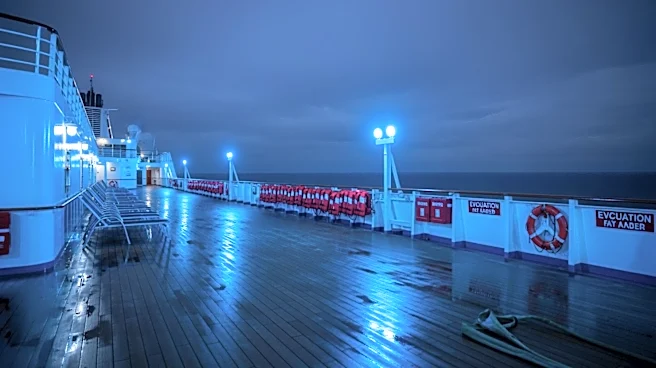
to die in climate disasters than the general population. Despite this, less than a third of countries that signed the 2015 Paris climate agreement have included disabled people in their long-term climate plans. The challenges faced by disabled individuals during such events include inaccessible evacuation routes and power outages that disable essential medical equipment. Historical instances, such as Hurricane Katrina and Hurricane Maria, have highlighted the dire consequences of neglecting the needs of disabled people in disaster planning.
Why It's Important?
The exclusion of disabled individuals from climate planning has significant implications for public policy and societal equity. The financial and physical burdens of climate change disproportionately affect disabled people, exacerbating existing inequalities. The lack of accessible emergency plans and infrastructure not only endangers lives but also highlights systemic failures in addressing the needs of vulnerable populations. This oversight in climate policy could lead to increased mortality rates and further marginalization of disabled communities, emphasizing the need for inclusive policy-making that considers all demographics.
What's Next?
Advocates are calling for the inclusion of disabled voices in climate and emergency policy discussions. This includes ensuring that climate legislation undergoes a disability impact review before implementation. Emergency preparedness plans should be revised to include accessible communication and evacuation strategies. Policymakers are urged to collaborate with disability organizations from the outset to ensure that the needs of disabled individuals are integrated into climate solutions. This shift towards inclusivity could lead to more equitable and effective responses to climate challenges.
Beyond the Headlines
The ongoing exclusion of disabled individuals from climate discourse reflects broader societal issues of visibility and representation. The lack of consideration for disabled needs in climate policy is indicative of a wider trend of marginalization. Addressing this requires a cultural shift towards recognizing and valuing the contributions and needs of disabled people. By integrating disability justice into climate action, society can work towards a more inclusive and resilient future.