


What's Happening?
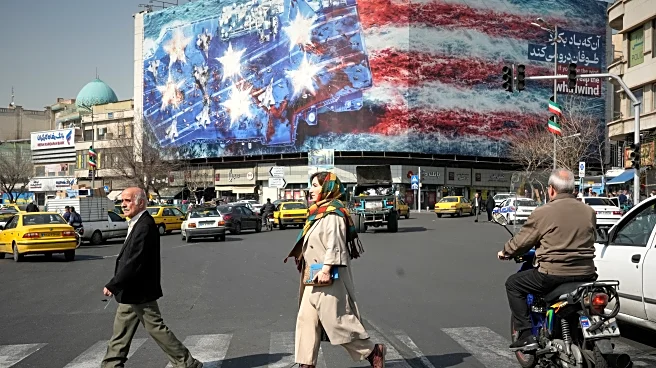
The United States and Iran are set to resume indirect talks in Geneva on Thursday, as confirmed by Oman's Foreign Minister Sayyid Badr bin Hamad Al Busaidi. The discussions aim to address the longstanding nuclear issue, with both nations signaling a willingness
to find a diplomatic solution. The talks come after years of deadlock following President Trump's 2018 decision to withdraw the U.S. from the 2015 nuclear deal. Iran's Foreign Minister Abbas Araghchi expressed optimism about reaching a diplomatic resolution, although he emphasized that the talks would focus solely on the nuclear program. The U.S. has maintained its stance that Iran should not possess nuclear weapons or the capability to develop them, while Iran insists its nuclear ambitions are peaceful.
Why It's Important?
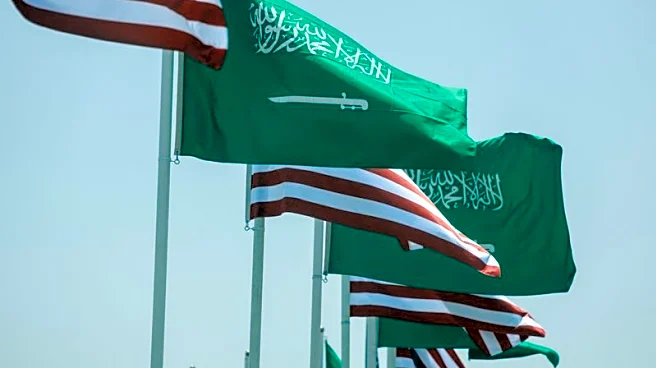
The resumption of talks between the U.S. and Iran is significant as it represents a potential thaw in relations that have been strained since the U.S. withdrawal from the nuclear deal. A successful negotiation could lead to a reduction in regional tensions and a stabilization of the Middle East, where the U.S. has increased its military presence. For the U.S., a deal could mean a strategic victory in curbing nuclear proliferation, while for Iran, it could lead to the lifting of economic sanctions that have severely impacted its economy. The outcome of these talks could also influence global oil markets and international diplomatic relations.
What's Next?
As the talks proceed, both nations will likely face internal and external pressures. The U.S. administration may encounter political opposition domestically, while Iran must balance its diplomatic engagements with its regional alliances. The international community will be closely monitoring the talks, with potential implications for global security and economic stability. Should the talks fail, there is a risk of escalating tensions, which could lead to military confrontations or further economic sanctions.