





What's Happening?
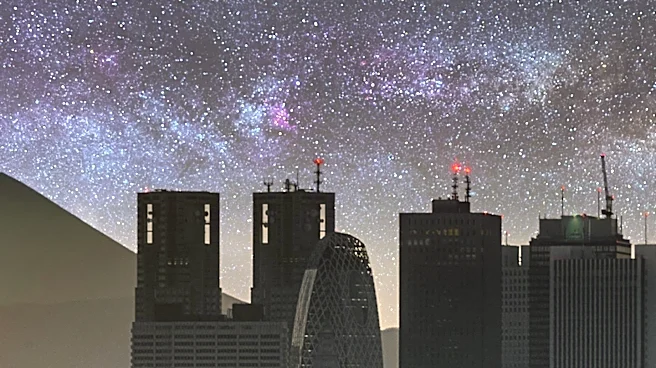
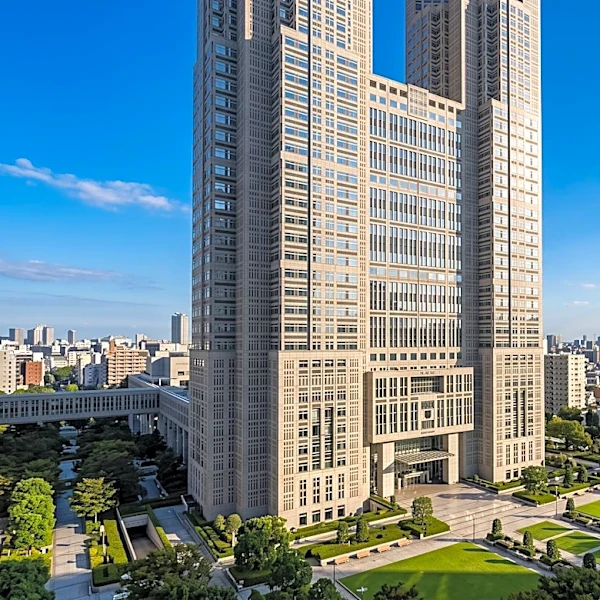
Shinjuku ward in Tokyo, a popular tourist destination, is implementing a ban on short-term rental accommodations in residential areas and near schools and cultural sites. This measure, introduced via a local ordinance, comes in response to a surge in complaints
from residents regarding tourist behavior. Officials reported over 1,300 complaints in the 12 months leading up to March, citing issues such as improper rubbish disposal, excessive noise, smoking in prohibited areas, and trespassing. The ban is expected to affect approximately 2,000 lodgings, nearly half of the 3,775 private lodgings, or 'minpaku,' in Shinjuku, a number that has almost tripled since 2022. The ward will seek public feedback next month before submitting revisions to the ordinance in February. Additionally, Shinjuku plans to reduce the number of days per year that minpaku in residential areas can be rented out from 180 to 120.
Why It's Important?
This action by Shinjuku ward highlights a growing tension between the economic benefits of tourism and the quality of life for local residents in popular Japanese destinations. While tourism has significantly boosted Japan's economy, with a record 42 million visitors last year spending ¥9.5 trillion ($62 billion), the rapid increase in visitor numbers has led to what critics call 'tourism pollution.' The decision by Shinjuku could set a precedent for other local authorities in Japan, such as Kyoto, which already limits minpaku operations in residential areas to 60 days a year. This trend indicates a shift towards prioritizing resident well-being and community preservation over unchecked tourism growth. The ban will likely impact short-term rental operators, including major platforms like Airbnb, and could influence future tourism policies across Japan as the government aims for 60 million visitors by 2030.
What's Next?
Shinjuku ward will open a public feedback period next month for the proposed ordinance revisions, with a view to formal submission in February. Following this, the ban on short-term rentals in residential areas is expected to be enforced, significantly reducing the availability of such accommodations. The ward also plans to decrease the annual rental days for minpaku in residential zones from 180 to 120. This move could prompt other Japanese cities facing similar challenges to consider comparable regulations, potentially leading to a broader re-evaluation of tourism management strategies nationwide. Short-term rental companies and property owners will need to adapt to these new restrictions, which may result in a decrease in available tourist lodging options in affected areas and a potential shift towards hotel accommodations.
Beyond the Headlines
The Shinjuku ward's decision reflects a broader societal debate in Japan about sustainable tourism and the balance between economic gain and cultural preservation. The 'tourism pollution' phenomenon, characterized by overcrowding, environmental strain, and disruption to local life, is prompting communities to reassert control over their living environments. This move goes beyond simple regulation; it signifies a cultural re-evaluation of hospitality, where the comfort and traditions of residents are being weighed against the demands of a booming tourist industry. The emphasis on 'protecting the dignity and living environment of our citizens,' as stated by Kyoto's mayor, Koji Matsui, suggests a growing recognition that unchecked tourism can erode the very charm and authenticity that attract visitors in the first place. This could lead to a more nuanced approach to tourism development, focusing on quality over quantity and fostering a more respectful interaction between visitors and local communities.