



What's Happening?
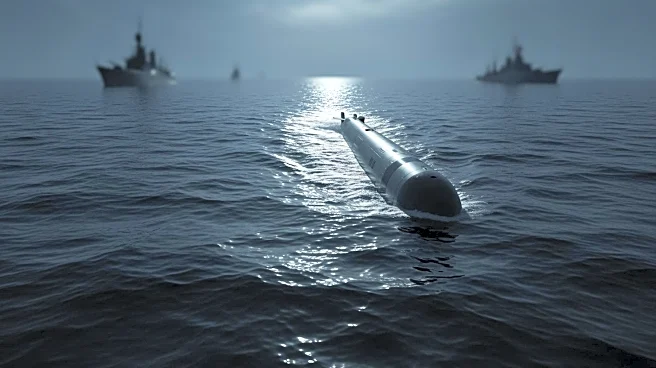
Defense Secretary Pete Hegseth announced that a U.S. submarine successfully sank an Iranian warship using a torpedo, marking the first such action since World War II. The incident occurred in international waters, escalating tensions between the U.S. and
Iran. This military action is part of a broader conflict involving U.S. and Israeli forces in the region, with both nations asserting control over Iranian airspace. The sinking of the Iranian ship is a significant development in the ongoing military engagements in the Middle East, which have seen increased hostilities and strategic maneuvers by both sides.
Why It's Important?
The sinking of the Iranian ship by the U.S. Navy represents a significant escalation in military operations in the Middle East, potentially impacting global oil markets and international relations. This action could lead to retaliatory measures by Iran, further destabilizing the region. The incident underscores the heightened military tensions and the potential for broader conflict, which could affect U.S. foreign policy and military strategy. Additionally, the involvement of U.S. and Israeli forces in controlling Iranian airspace highlights the strategic alliances and geopolitical stakes in the region.
What's Next?
The U.S. military's actions may prompt a response from Iran, potentially leading to further military engagements or diplomatic confrontations. The international community will likely monitor the situation closely, with potential implications for global security and economic stability. U.S. lawmakers and international allies may call for diplomatic efforts to de-escalate tensions and prevent further conflict. The situation could also influence U.S. domestic politics, as policymakers debate the implications of military actions and their impact on national security.