








What's Happening?
The U.S. Equal Employment Opportunity Commission (EEOC) has rescinded nearly 40 years of guidance on voluntary affirmative action plans under Title VII. This decision, made on June 30, eliminates the EEOC's 1979 interpretive guidelines and a related section
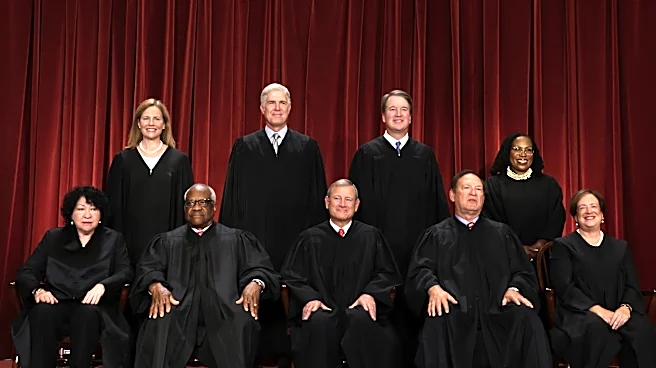
of its compliance manual. The agency stated that the guidance no longer aligns with current law and conflicts with Supreme Court precedents that emphasize Title VII's protection of individuals regardless of race or sex. The rescission is part of a broader federal reassessment of race- and sex-conscious employment policies, reflecting a shift initiated by the Trump administration since 2025. This move does not amend Title VII itself or overturn Supreme Court decisions that recognize the legality of voluntary affirmative action plans in certain circumstances. However, it removes the EEOC's interpretation of how employers could structure such programs, leaving employers without a clear administrative framework.
Why It's Important?
The rescission of the EEOC's guidance on affirmative action is significant for employers who have relied on these guidelines to address workforce imbalances and remedy past discrimination. Without this framework, employers face a more unpredictable regulatory environment. This change could lead to increased scrutiny of employment practices that consider race, sex, or other protected characteristics, even if they were previously deemed permissible under older EEOC guidance. The decision reflects a broader shift in federal employment policy under the Trump administration, which has aimed to roll back diversity, equity, and inclusion initiatives. Employers maintaining affirmative action or inclusion and diversity programs must now ensure these initiatives comply with current law rather than rescinded agency guidance.
What's Next?
Employers are advised to review their affirmative action and inclusion and diversity programs to ensure compliance with current legal standards. As enforcement priorities evolve, organizations should prepare for potential increased scrutiny of employment practices involving protected characteristics. The rescission may prompt legal challenges or calls for new guidance to clarify the permissible scope of affirmative action under Title VII. Employers should stay informed about any further developments or changes in federal employment policy that could impact their practices.