




What's Happening?
Colleen Byrne, daughter of a Kansas City, Missouri Fire Department firefighter who died from occupational cancer in 2017, has founded 'Byrne Out Cancer.' This organization is dedicated to reducing cancer risks for firefighters. The foundation recently
held its annual pickleball fundraiser to raise money and awareness. Byrne emphasizes that while inhaling carcinogens is a risk, a significant amount of harmful substances are absorbed through the skin. Her organization aims to equip more fire stations with extractor washers, which are crucial for cleaning protective gear and preventing firefighters from absorbing these carcinogens.
Why It's Important?
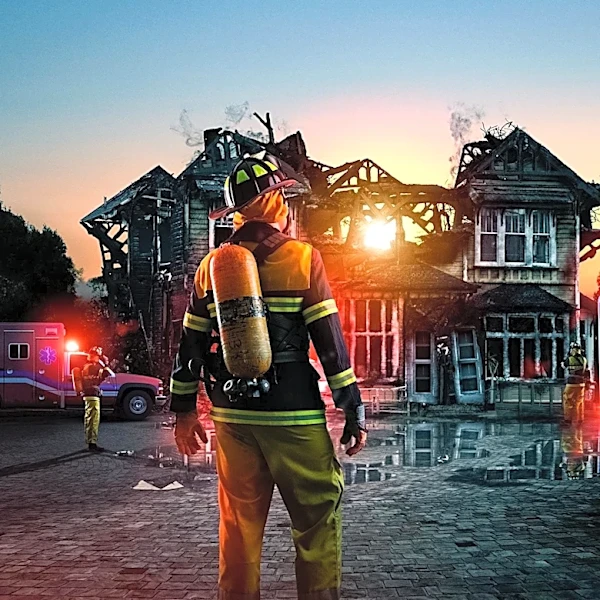
Occupational cancer is a significant and often overlooked threat to firefighters, who are routinely exposed to carcinogens during their service. The efforts of 'Byrne Out Cancer' highlight a critical public health issue affecting first responders across the U.S. By focusing on skin absorption as a primary pathway for carcinogen exposure, the organization brings attention to the need for improved safety protocols and equipment, such as extractor washers. This initiative could lead to better health outcomes for firefighters, potentially reducing healthcare costs associated with cancer treatment and extending the careers of these essential service members. The fundraiser also serves to educate the public about the hidden dangers faced by firefighters beyond immediate fire hazards.
What's Next?
The 'Byrne Out Cancer' foundation will likely continue its fundraising efforts and advocacy to secure more extractor washers for fire stations. Increased awareness could prompt fire departments nationwide to re-evaluate and upgrade their equipment and safety procedures regarding carcinogen exposure. This could also lead to policy discussions at local and state levels about funding for such equipment and mandating stricter cleaning protocols for firefighter gear. The organization's work may also inspire further research into the specific pathways of carcinogen absorption in firefighters and the most effective mitigation strategies.
Beyond the Headlines
The fight against occupational cancer in firefighters extends beyond individual fundraising efforts; it touches upon broader issues of worker safety, public responsibility, and the long-term health impacts of hazardous professions. The focus on skin absorption challenges traditional understandings of exposure and underscores the need for comprehensive protective measures. This initiative could set a precedent for other high-risk occupations to address similar hidden dangers. Furthermore, it highlights the emotional and financial toll that occupational diseases take on families, emphasizing the importance of preventative care and support systems for those who serve their communities.