
What's Happening?
Ukrainian President Volodymyr Zelensky has declared that Ukraine's air defense supplies are insufficient as the country faces severe energy shortages due to ongoing Russian attacks. The relentless bombardment
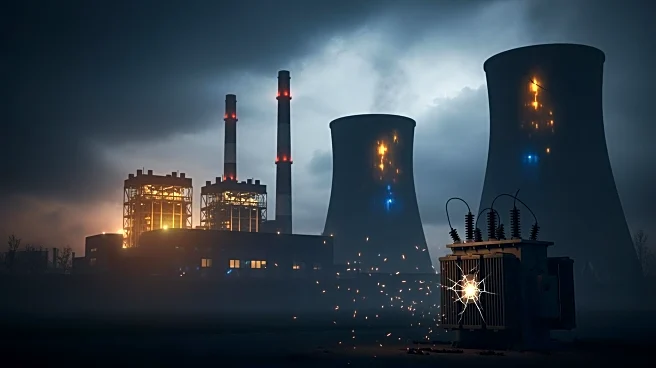
has left many areas, including the capital Kyiv, without heating and electricity during a harsh winter. The International Atomic Energy Agency (IAEA) has secured a localized ceasefire to repair a damaged power line at the Zaporizhzhia nuclear power plant, underscoring the crisis's impact on nuclear safety. Kyiv's Mayor Vitali Klitschko reported that the city's electricity levels have dropped significantly, prompting the easing of curfews to allow residents access to emergency hubs for heating and electricity.
Why It's Important?
The energy crisis in Ukraine highlights the broader implications of the ongoing conflict with Russia, affecting not only the country's infrastructure but also its nuclear safety. The situation underscores the critical need for international support in terms of defense supplies to protect vital infrastructure. The crisis also poses a significant humanitarian challenge, as residents face extreme cold without adequate heating. The international community's response, particularly from Ukraine's allies, will be crucial in addressing these challenges and preventing further deterioration of the situation.
What's Next?
Ukraine is likely to continue seeking rapid deliveries of defense supplies from its Western allies to bolster its air defense capabilities. The ongoing energy crisis may prompt further international diplomatic efforts to secure more substantial support for Ukraine. Additionally, the IAEA's involvement in securing a ceasefire for repairs at the Zaporizhzhia plant may lead to more international interventions aimed at safeguarding nuclear facilities in conflict zones.