


What's Happening?
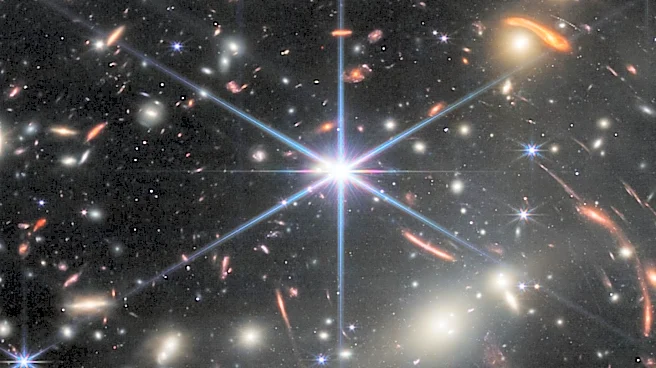
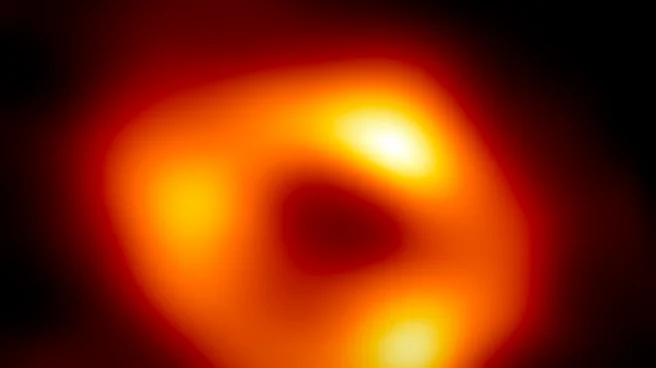
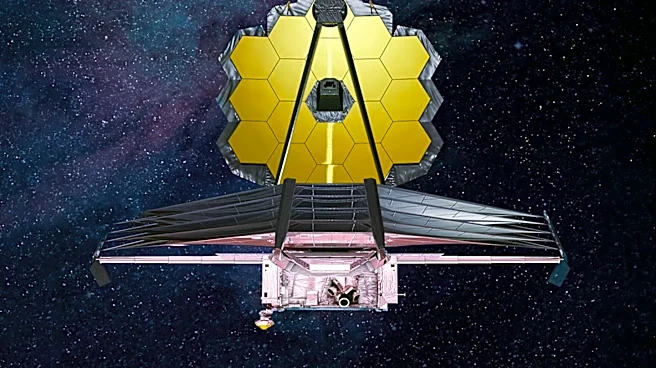
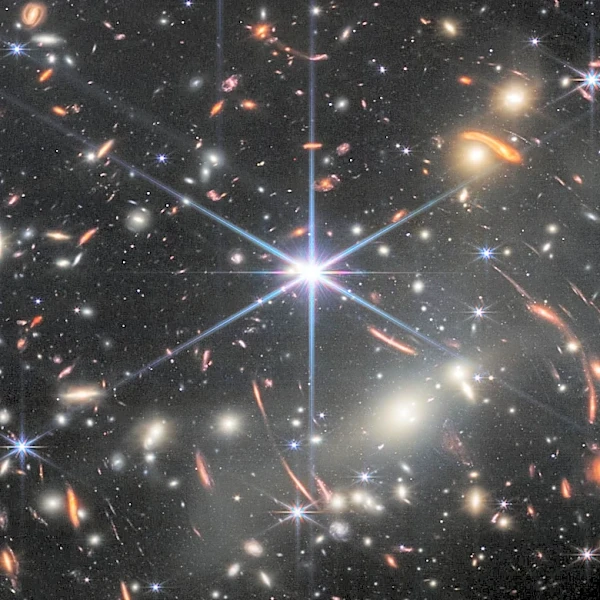
A new study led by UCLA researchers suggests that repeated stellar collisions in the early universe may have been responsible for the formation of massive black holes observed surprisingly early in cosmic history by the James Webb Space Telescope (JWST).
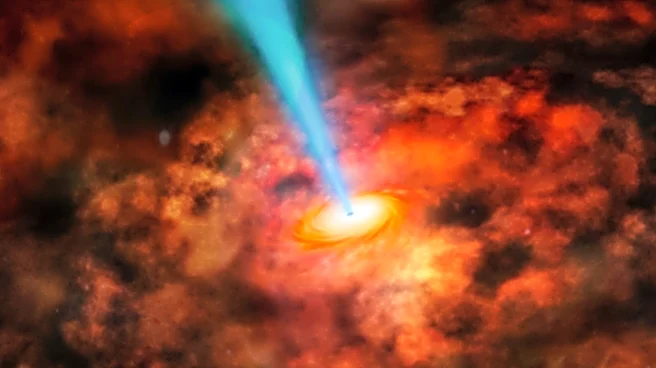
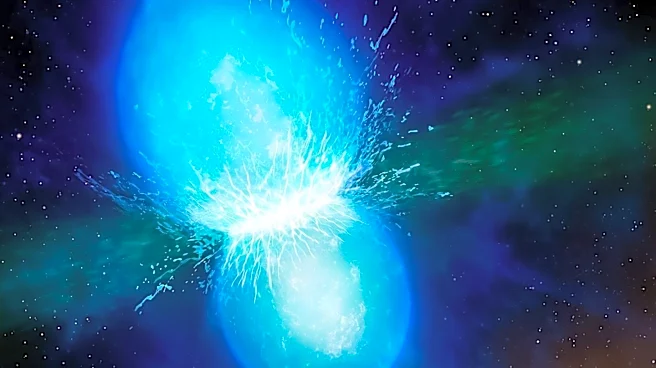
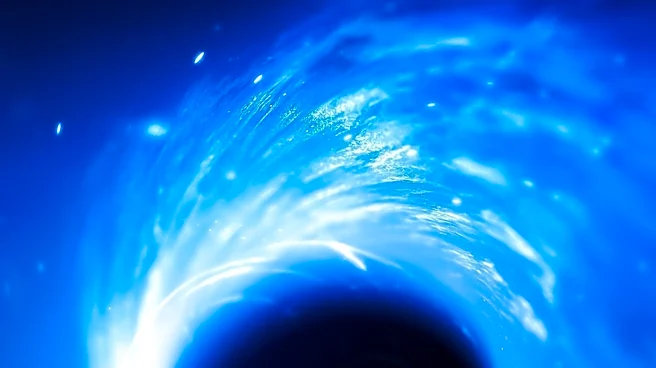
The research, published as a preprint on arXiv and in The Astrophysical Journal, indicates that crowded star clusters in the young universe could have experienced frequent stellar encounters. These collisions, depending on their velocity, could either lead to stars merging into larger objects or being disrupted, scattering their material. The simulations propose that successive mergers could create exceptionally massive stars, which would then collapse into black holes significantly larger than those formed from typical stellar evolution. This mechanism offers a potential explanation for the existence of supermassive black holes at epochs when the universe was still very young, providing a 'head start' for their growth.
Why It's Important?
This research is crucial for understanding the fundamental processes that shaped the early universe and the evolution of galaxies. The existence of massive black holes so soon after the Big Bang has been a long-standing puzzle in astrophysics, as conventional models struggle to explain their rapid growth from smaller stellar remnants. If stellar collisions and runaway mergers were a common phenomenon in dense early star clusters, it provides a viable pathway for the formation of 'seed' black holes that were already massive. This could significantly alter our understanding of how supermassive black holes originated and subsequently influenced the development of their host galaxies. The study also connects to observations of 'little red dots' by the JWST, suggesting these compact, reddish objects could be exceptionally dense stellar systems undergoing these collision processes, potentially linking different observational phenomena under a unified theoretical framework.
What's Next?
The findings from this UCLA-led study provide a theoretical framework that can guide future astronomical observations and simulations. Researchers will likely focus on further analyzing JWST data, particularly from 'little red dots,' to look for observational evidence that supports the proposed stellar collision and merger scenarios. Detailed studies of the stellar populations, emission features, and potential black hole activity within these objects could help confirm or refute the hypothesis. Future simulations may also explore the long-term evolution of these dense clusters and the subsequent growth of the massive black holes formed through this mechanism, including their interaction with surrounding gas and other black holes. The study encourages a re-evaluation of how dense stellar environments contributed to the rapid emergence of massive black holes in the early cosmos.
Beyond the Headlines
The implications of this research extend beyond the mechanics of black hole formation, touching upon the very conditions that allowed for the universe's structure to emerge. If the early universe was characterized by such violent and frequent stellar interactions, it paints a more dynamic and chaotic picture of cosmic infancy than previously conceived. This understanding could influence theories about the distribution of elements, the formation of the first galaxies, and even the potential for life in early cosmic environments. The transition from constructive mergers to destructive collisions around a central black hole also highlights a complex feedback loop where the formation of a massive object fundamentally alters its environment. This dynamic interplay between stars and black holes in dense clusters could be a recurring theme throughout cosmic history, influencing galactic evolution in profound ways.