





What's Happening?
All lanes have reopened in Yonkers following the completion of repairs on a sinkhole that had caused significant traffic disruptions. The sinkhole emerged on Tuesday afternoon near the intersection of Central Park and Yonkers avenues. Officials confirmed
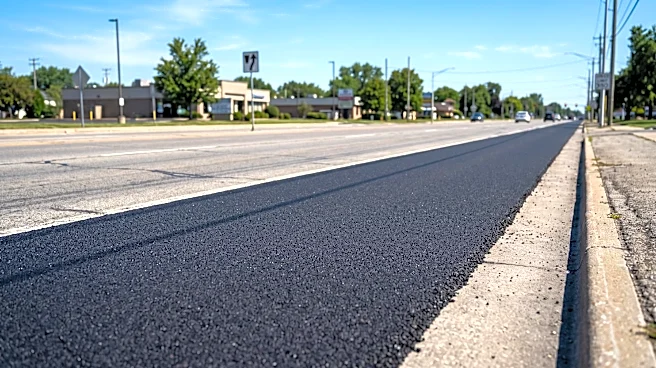
that the cause was a water main break. Thomas Meier, Commissioner of the Yonkers Department of Public Works, stated that the water main break was fixed on the same day it occurred. Subsequently, water service was restored to affected residents in the area. Crews worked diligently throughout Thursday to repair the road, first applying a binder coat of asphalt and then a final layer to ensure the road's integrity and safety for commuters.
Why It's Important?
The swift repair and reopening of all lanes after the Yonkers sinkhole incident are crucial for maintaining urban infrastructure and minimizing economic and social disruption. Sinkholes, especially those caused by water main breaks, can lead to significant traffic congestion, impacting daily commutes, local businesses, and emergency services. Prolonged road closures can result in lost productivity, increased fuel consumption due to detours, and potential delays in supply chains for local enterprises. The rapid response by the Yonkers Department of Public Works to fix both the water main and the road underscores the importance of efficient municipal services in mitigating the broader economic and logistical consequences of such infrastructure failures. This incident highlights the ongoing need for robust maintenance and quick intervention strategies for aging urban infrastructure to prevent more severe and costly disruptions.
What's Next?
With the immediate repairs completed and all lanes reopened, the focus will likely shift to assessing the underlying infrastructure to prevent future occurrences. The Yonkers Department of Public Works may conduct further investigations into the condition of the water main system in the affected area to identify any other potential vulnerabilities. This could lead to scheduled maintenance or replacement projects for aging pipes. Residents and commuters can expect continued monitoring of the repaired section of the road to ensure its long-term stability. Additionally, local authorities might review their emergency response protocols for infrastructure failures to identify areas for further improvement, aiming to enhance the speed and efficiency of future repair operations and minimize public inconvenience.
Beyond the Headlines
This incident, while seemingly localized, points to a broader national challenge concerning aging infrastructure. Many U.S. cities, including Yonkers, rely on water and road systems that are decades old and increasingly prone to failures. The rapid repair of the sinkhole in Yonkers highlights the immediate operational response, but it also subtly underscores the need for proactive, long-term investment in infrastructure modernization. The ethical dimension involves ensuring public safety and minimizing disruption, which requires consistent funding and strategic planning beyond reactive fixes. Culturally, such events can erode public trust in municipal services if not handled efficiently, but successful resolutions like this can reinforce confidence. The long-term shift required is a national commitment to upgrading foundational infrastructure to prevent more frequent and severe disruptions, moving from a reactive repair model to a proactive maintenance and replacement strategy.