

What's Happening?
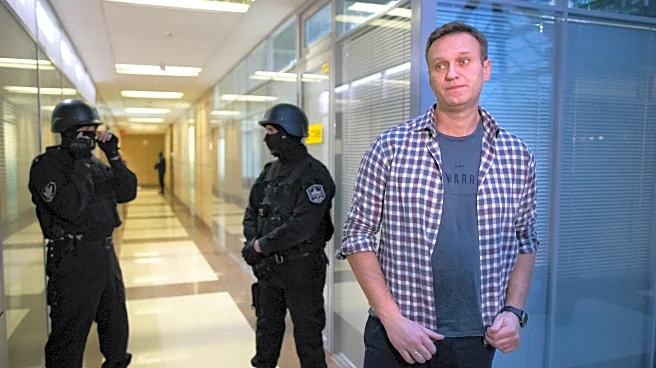
The United Kingdom has accused Russia of poisoning Russian opposition leader Alexei Navalny with a rare toxin found in South American dart frogs, known as epibatidine. This announcement comes two years after Navalny's death in a Siberian penal colony.
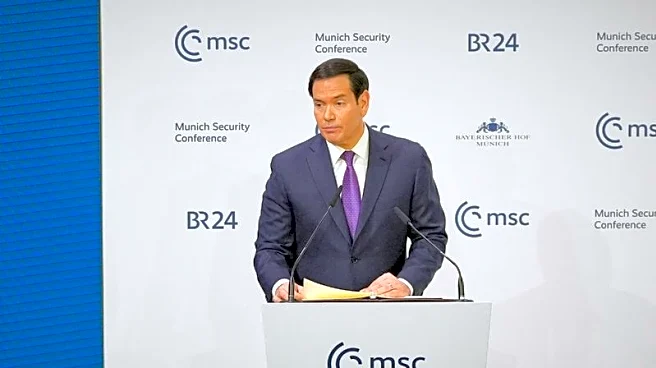
The UK, along with France, Germany, Sweden, and the Netherlands, claims that only the Russian government had the means, motive, and opportunity to use this lethal toxin against Navalny. The UK Foreign Minister, Yvette Cooper, highlighted these accusations during the Munich Security Conference, emphasizing that Russia viewed Navalny as a threat. The Russian government has not responded to these allegations.
Why It's Important?
This development underscores ongoing tensions between Russia and Western nations, particularly concerning the use of chemical weapons. The accusation that Russia used a rare toxin to silence a political opponent highlights the lengths to which the Russian state may go to suppress dissent. This situation could further strain diplomatic relations and lead to increased sanctions or other punitive measures against Russia. The use of such a toxin also raises concerns about the proliferation of chemical weapons and the enforcement of international conventions designed to prevent their use.
What's Next?
The UK plans to report Russia to the Organisation for the Prohibition of Chemical Weapons, citing a violation of the Chemical Weapons Convention. This could lead to international investigations and potential sanctions. The Munich Security Conference may serve as a platform for further discussions on how to address Russia's alleged actions. Additionally, there may be calls for increased support for Russian opposition figures and human rights advocates.