



What's Happening?
Zillow's 2027 Home Trends Report indicates a notable shift in U.S. homebuyer preferences, moving away from general 'sustainable' and 'green' buzzwords towards specific eco-friendly features. While mentions of 'sustainable' and 'green' in listings have
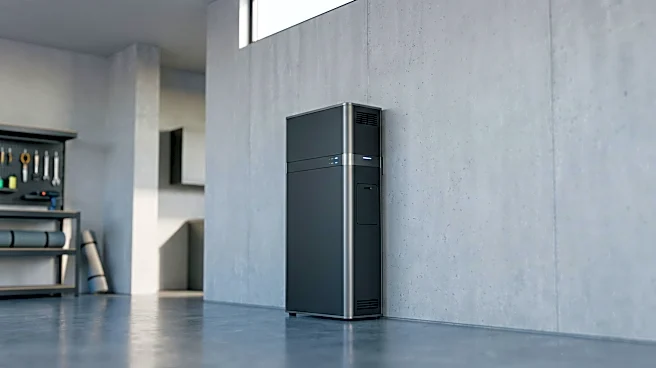
decreased by 26%, demand for practical, energy-efficient upgrades has surged. For instance, whole-home batteries are up 43%, and fresh-air ventilation systems, such as energy-recovery and heat-recovery ventilators, have seen a 52% increase. This suggests that buyers are prioritizing tangible benefits like cleaner air, reliable power, and overall efficiency. The report, based on an analysis of millions of U.S. home listings, also highlights other emerging trends, including a preference for 'elevated' comfort over 'cozy,' a rise in 'colormaxxing' (color-drenched spaces), and an increased interest in 'digital detox' zones and multigenerational living arrangements. These findings collectively point to a more refined and personalized approach to home design and functionality among prospective homeowners.
Why It's Important?
This shift in homebuyer preferences has significant implications for the U.S. housing market, construction industry, and real estate professionals. The declining emphasis on broad 'green' terminology, coupled with a rising demand for specific eco-friendly technologies, signals a maturation in consumer understanding of sustainability. Homebuilders and renovators will need to adapt their strategies to focus on installing features like whole-home batteries and advanced ventilation systems, which offer clear, measurable benefits. This trend could drive innovation in home energy solutions and indoor air quality systems. Furthermore, the increased desire for 'digital detox' spaces and multigenerational living highlights evolving lifestyle needs, potentially influencing architectural design and community planning. Real estate agents will need to emphasize these specific features in listings to attract buyers, and property values may increasingly reflect the presence of such practical, efficient upgrades. This also suggests a growing awareness among consumers about the long-term operational costs and health benefits associated with their homes.
What's Next?
In response to these evolving trends, the U.S. housing market is likely to see an increased integration of advanced energy and ventilation technologies in new constructions and renovations. Manufacturers of home batteries, HVAC systems, and smart home devices that enhance air quality and energy efficiency can expect a boost in demand. Real estate marketing will probably pivot to highlight these specific features, moving beyond generic 'green' labels. Builders may also explore partnerships with technology providers to offer integrated eco-friendly packages. Additionally, the emphasis on multigenerational living could lead to more flexible home designs and community developments that cater to extended families. The industry will also need to educate buyers on the tangible benefits and return on investment of these specific eco-friendly upgrades, such as reduced utility bills and improved indoor health, to further drive adoption. Events like the Value Per Square Foot Summit, which will explore how performance, resilience, health, sustainability, and long-term affordability can reshape home valuation, will become crucial platforms for industry leaders to discuss these changes.
Beyond the Headlines
The move towards specific eco-friendly features rather than vague 'green' labels reflects a broader societal trend of seeking concrete, verifiable benefits from sustainable practices. This could lead to more rigorous standards and certifications for home features, moving beyond marketing buzzwords to quantifiable performance metrics. Ethically, it encourages transparency from builders and manufacturers regarding the actual environmental and health impacts of their products. Culturally, it signifies a growing consumer sophistication, where buyers are not just interested in the idea of sustainability but in its practical application and direct impact on their daily lives and finances. This shift could also influence public policy, potentially leading to incentives for installing specific energy-efficient technologies rather than broad 'green building' initiatives. Over the long term, this trend could contribute to a more resilient and energy-independent housing stock in the U.S., reducing reliance on traditional energy grids and mitigating the effects of climate change on individual homes.