


What's Happening?
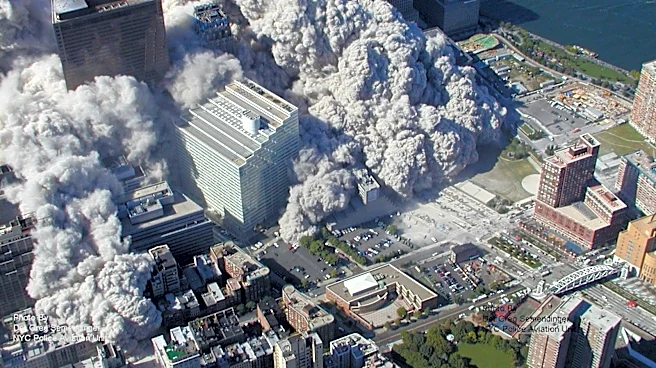
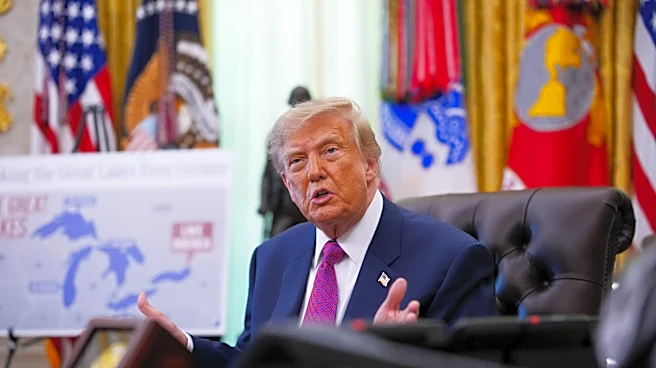
President Trump has defended his account of being present at the World Trade Center site following the September 11, 2001, attacks. He released a video to support his claim, responding to a New York Magazine story that questioned his presence. President Trump clarified
that he visited Lower Manhattan not on the day of the collapse, but shortly after, with a group of construction workers, as soon as legal restrictions allowed. He stated that his then-security chief, Matthew Calamari, has consistently confirmed this visit to journalists. Furthermore, President Trump addressed his plans for the upcoming 25th anniversary of 9/11, announcing that he will attend the commemoration at the Pentagon, while Vice President Vance will represent the administration at the New York ceremony. President Trump refuted claims that he chose not to attend the New York event because he would not be allowed to speak, explaining that public officials are not permitted to deliver speeches during the official New York ceremony and that he never requested to speak.
Why It's Important?
This development is important as it highlights ongoing scrutiny and debate surrounding historical events and the public figures associated with them. President Trump's defense of his 9/11 presence underscores the significance of personal narratives and their verification in political discourse. The decision for President Trump to attend the Pentagon ceremony and Vice President Vance to represent the administration in New York for the 25th anniversary of 9/11 reflects a strategic division of roles for a solemn national commemoration. This allocation of duties could be interpreted as an effort to maximize the administration's presence at key memorial sites while adhering to established protocols for such events. The controversy surrounding President Trump's past actions and statements, particularly concerning a national tragedy, can influence public perception and political narratives, especially as significant anniversaries approach. The media's role in questioning and verifying such accounts also emphasizes the ongoing dynamic between political figures and journalistic scrutiny.
What's Next?
As the 25th anniversary of the 9/11 attacks approaches, public attention will likely focus on the commemorations at both the Pentagon and the World Trade Center site. The presence of President Trump at the Pentagon and Vice President Vance in New York will be observed for their symbolic significance and adherence to memorial traditions. Media outlets may continue to analyze President Trump's past statements and the evidence he has presented regarding his 9/11 presence. Further discussions and potential reactions from various stakeholders, including 9/11 victims' families and political commentators, could emerge in the lead-up to and during the anniversary events. The administration's handling of these commemorations will be a key aspect of its public image during this sensitive period, potentially influencing public sentiment and political discourse surrounding national unity and remembrance.
Beyond the Headlines
The ongoing debate about President Trump's presence at the 9/11 site touches upon broader themes of historical memory, the construction of public narratives, and the role of media in fact-checking political claims. The controversy highlights how personal accounts of significant national events can become subjects of intense scrutiny, particularly when they involve prominent political figures. This situation also underscores the ethical considerations for public officials in recounting their involvement in historical tragedies and the potential for such narratives to be politicized. The division of roles for the 9/11 anniversary between President Trump and Vice President Vance, while practical, also subtly shapes the public's perception of the administration's engagement with national remembrance. This event serves as a reminder of the enduring impact of 9/11 on the American psyche and the continuous process of interpreting and commemorating its legacy, often through the lens of contemporary political dynamics.