





What's Happening?
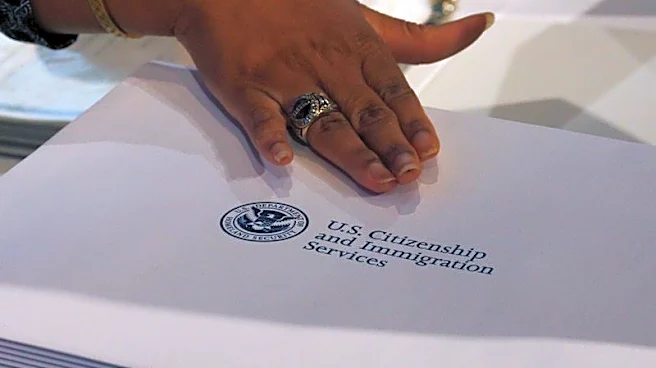
In a recent ruling, Judge Gary R. Brown of the Eastern District of New York criticized the government's handling of a case involving the wrongful arrest of William Enrique Sanchez Alfaro by ICE agents. Sanchez Alfaro, who had been granted Special Immigrant
Juvenile status, was arrested without a warrant, and the necessary paperwork was only completed post-arrest. Judge Brown identified four constitutional and statutory violations in the case and gave the government 21 days to propose corrective actions. However, the government's response was deemed inadequate, prompting Judge Brown to consider further legal actions. The judge's order highlighted the government's failure to address the violations and warned of potential injunctive relief if the situation is not rectified.
Why It's Important?
This case underscores significant concerns about the conduct of ICE and the government's accountability in immigration enforcement. The judge's strong stance reflects growing judicial scrutiny over ICE's practices, particularly regarding warrantless arrests and the mishandling of immigration statuses. The outcome of this case could lead to broader policy changes and increased oversight of ICE operations. It also highlights the judiciary's role in upholding constitutional rights and ensuring government agencies comply with legal standards. The case could set a precedent for how similar cases are handled in the future, potentially impacting immigration policy and enforcement practices across the U.S.
What's Next?
Judge Brown has indicated that if the government fails to provide a satisfactory plan to prevent future violations, he may impose injunctive relief, which could include policy-level changes. This could lead to significant reforms in ICE's operational procedures and increased judicial oversight. The government's next steps will be closely watched by legal experts, immigration advocates, and policymakers, as they could influence future immigration enforcement and the protection of immigrant rights. The case may also prompt other judges to take similar actions in cases of government overreach, potentially leading to a shift in how immigration laws are enforced.