





What's Happening?
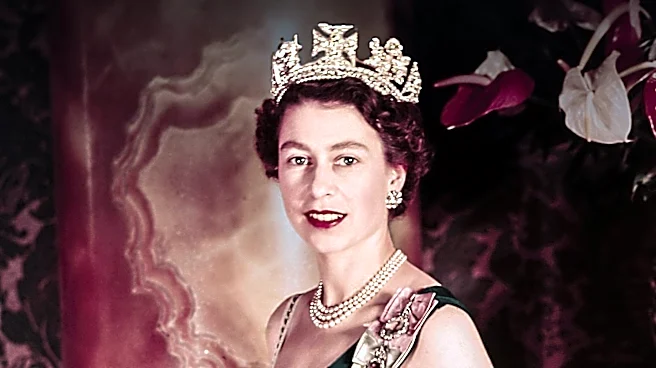
Queen Elizabeth II, despite being the longest-reigning monarch, was historically barred from holding three significant royal titles: Princess of Wales, Duchess of Cornwall, and Duchess of Rothesay. These titles were traditionally reserved for the male
heir apparent. When Elizabeth became first in line to the throne in 1936, she was considered an heiress presumptive, meaning a younger brother could have supplanted her. The title of Prince of Wales, for instance, has been given to the eldest surviving son of a monarch for centuries. Similarly, the Duchy of Cornwall, established in the 14th century, and the Scottish title of Duke of Rothesay were exclusively for male heirs. This gender-based exclusion persisted despite her eventual ascension to the throne.
Why It's Important?
The historical denial of these titles to Queen Elizabeth II highlights deeply entrenched gender biases within royal succession laws that persisted for centuries. This situation underscores the broader historical struggle for gender equality, even within institutions as traditional as monarchies. While the Succession to the Crown Bill in 2012 introduced absolute primogeniture, allowing future female heirs to hold titles previously reserved for males, Queen Elizabeth II's experience serves as a stark reminder of past inequalities. This historical context is crucial for understanding the evolution of royal laws and the ongoing efforts to modernize them, reflecting societal shifts towards greater gender parity. The financial implications of the Duchy of Cornwall, a wealthy estate, also mean that female heirs were historically denied significant economic resources and influence.
What's Next?
With the 2012 Succession to the Crown Bill, future female heirs to the British throne will no longer face the same gender-based restrictions on titles. Prince George is the next heir, but if he were to have a female heir, a rule change would be necessary to allow her to take the traditional titles associated with the heir apparent. This legislative change signifies a move towards a more equitable monarchy, aligning it with modern values of gender equality. The ongoing debate and potential future adjustments to royal protocols will continue to reflect societal progress and the monarchy's adaptation to contemporary expectations regarding gender roles and inheritance.
Beyond the Headlines
The historical exclusion of Queen Elizabeth II from certain titles due to her gender reveals a deeper narrative about the slow pace of institutional change and the enduring power of tradition. It prompts reflection on how historical legal frameworks, even those governing symbolic roles, can perpetuate inequality. The eventual reform in 2012, while not directly benefiting Queen Elizabeth II, represents a significant cultural and legal shift, acknowledging the principle that gender should not be a barrier to holding traditional positions of power or prestige. This development contributes to a broader global conversation about gender equality in leadership and inheritance, demonstrating that even the most ancient institutions are not immune to the pressures of modernization and social justice.