

What's Happening?
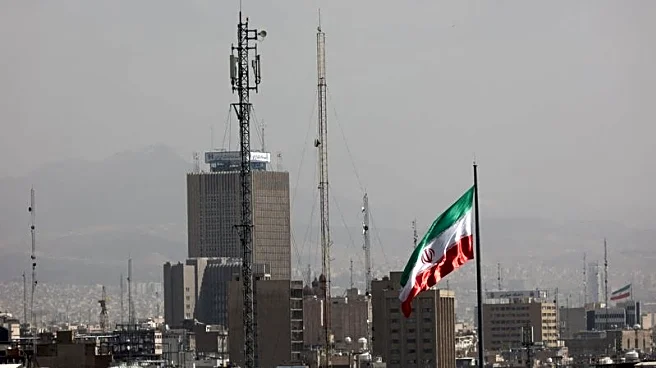
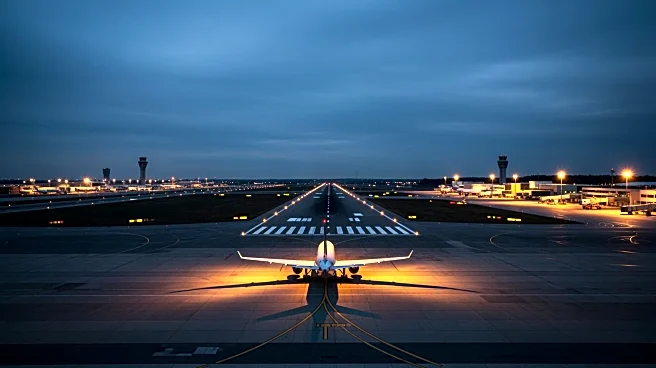
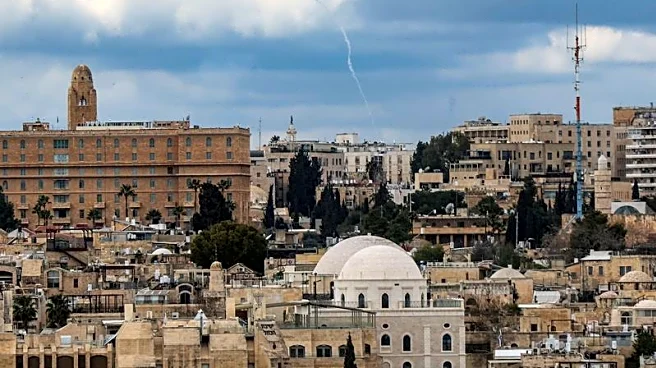
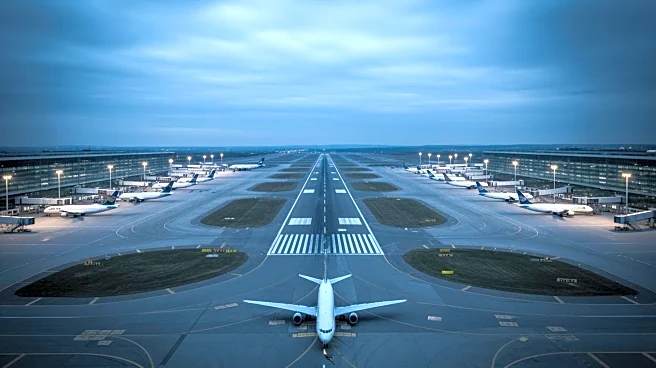
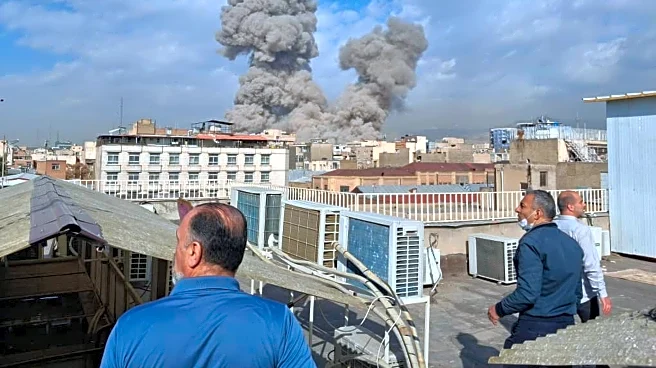
Airstrikes in Iran have led to the closure of airspace across the Middle East, causing mass flight cancellations and leaving passengers stranded. Major airports in Dubai, Doha, and Abu Dhabi, which serve as global transit hubs, are at the center of the disruption.
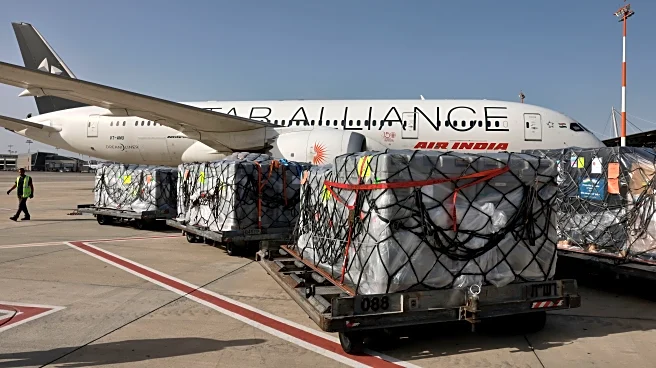
Airlines such as Emirates, Qatar Airways, and Etihad Airways, which collectively handle 90,000 transit passengers daily, have been severely affected. Passengers report confusion and long waits at airports, with some receiving hotel vouchers due to extended delays. The situation has also impacted flights from other regions, including Europe and the U.S., as airlines adjust to the airspace restrictions.
Why It's Important?
The airspace closures and flight cancellations highlight the interconnected nature of global air travel and the ripple effects of regional conflicts. The disruption affects not only passengers in the Middle East but also those traveling to and from the region, impacting international travel plans and business operations. The situation underscores the need for robust contingency planning by airlines and airports to manage such crises. The economic impact could be significant, affecting airlines' revenues and passenger confidence in air travel safety and reliability.
What's Next?
Airlines are working to rebook passengers and manage the backlog of stranded travelers. The situation may prompt a review of security protocols and contingency plans by airlines and airport authorities. Diplomatic efforts may intensify to resolve the conflict and restore normal air travel operations. Passengers are advised to stay informed about flight status and follow updates from airlines and authorities.