






What's Happening?
The impending federal Medicaid cuts have reignited a significant conflict between California's medical industry and SEIU-United Healthcare Workers West, a major health worker union. The union, representing approximately 120,000 members, has introduced
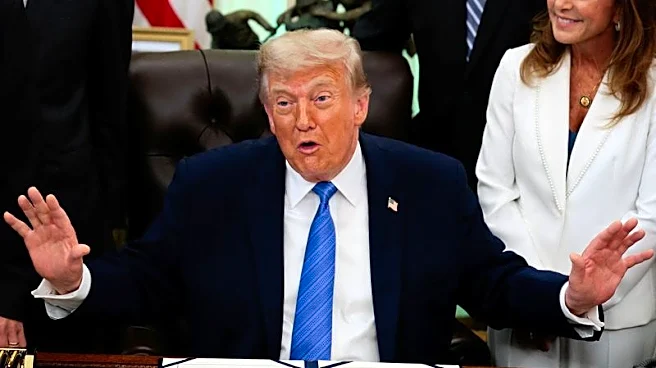
two ballot initiatives aimed at capping the pay of medical executives and mandating community clinics to allocate most of their revenues to patient care. In response, the California Hospital Association has proposed a countermeasure requiring union approval for substantial political spending. These initiatives have qualified for the November ballot amidst growing concerns over healthcare costs. The union's proposal to cap executive compensation at $450,000 annually has faced opposition from the medical industry, which argues it could hinder recruitment and retention of essential staff. The union's efforts are part of a broader strategy to address healthcare disparities exacerbated by federal Medicaid cuts under the One Big Beautiful Bill Act, signed by President Trump.
Why It's Important?
This conflict highlights the ongoing struggle over healthcare affordability and executive compensation in the U.S. The proposed initiatives could significantly impact the financial operations of hospitals and clinics, potentially affecting patient care and access to services. The union's push for executive pay caps reflects broader societal concerns about income inequality and the prioritization of patient care over profit. If successful, these measures could set a precedent for similar actions in other states, influencing national healthcare policy. However, the medical industry's resistance underscores the complexity of balancing cost control with maintaining quality healthcare services. The outcome of this clash could have far-reaching implications for healthcare providers, patients, and policymakers, as it addresses fundamental issues of resource allocation and healthcare equity.
What's Next?
As the November ballot approaches, both sides are likely to intensify their campaigns to sway public opinion. The union may continue to rally grassroots support, emphasizing the need for affordable healthcare and fair executive compensation. Meanwhile, the medical industry is expected to highlight potential negative consequences of the initiatives, such as reduced access to care and challenges in staffing. Legal battles may also ensue, particularly concerning the implementation and interpretation of the proposed measures. The outcome of these initiatives could prompt further legislative or regulatory actions at the state or federal level, as stakeholders seek to address the underlying issues of healthcare affordability and executive pay.