



What's Happening?
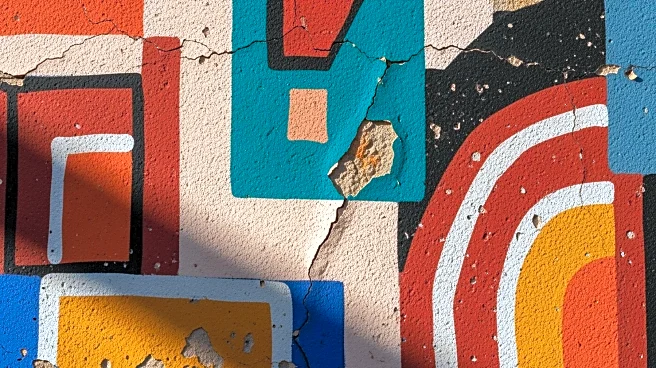
The National Museum of Art of Bolivia has opened a permanent gallery dedicated to Miguel Alandia Pantoja, a prominent Bolivian artist known for his politically charged murals. During Bolivia's military regime in the 1960s, Alandia's works were targeted
for destruction due to their subversive nature. However, miners managed to save some of his murals by concealing them. Alandia's art, deeply intertwined with his political activism, depicted the struggles of the working class and was a tool for social change. The museum's new gallery aims to honor his legacy and the resilience of those who protected his work.
Why It's Important?
Alandia's murals are significant cultural artifacts that document Bolivia's social and political history. Their preservation highlights the power of art as a form of resistance and the role of cultural heritage in shaping national identity. The gallery not only celebrates Alandia's contributions to art and activism but also serves as a reminder of the historical struggles faced by the Bolivian people. This initiative underscores the importance of protecting cultural expressions that challenge oppressive regimes and advocate for social justice.
Beyond the Headlines
The preservation of Alandia's murals raises questions about the role of art in political movements and the responsibilities of cultural institutions in safeguarding controversial works. It also highlights the ongoing challenges faced by artists in politically unstable regions. The gallery's opening may inspire similar efforts to protect and restore other endangered cultural artifacts worldwide, emphasizing the need for international collaboration in cultural preservation.