





What's Happening?
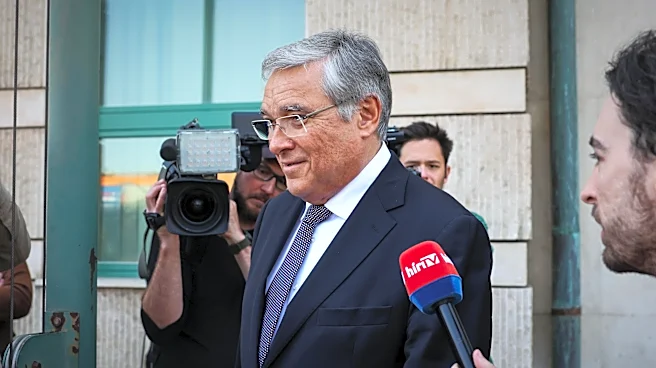
The European Union's General Court has dismissed a lawsuit filed by the previous Hungarian government that aimed to block billions of euros in aid to Ukraine, which is funded by frozen Russian assets. The lawsuit sought to annul a Council decision to channel
interest payments from frozen Russian central bank assets to Ukraine through the European Peace Facility (EPF), the EU's primary military aid instrument. The Orbán government had argued that the EPF breached EU law by disregarding its veto, claiming an infringement on the principles of equality among member states and the EU's democratic functioning. However, the Court ruled that it lacked jurisdiction over decisions related to the bloc's Common Foreign and Security Policy, an area largely exempt from judicial review. Between 2022 and 2024, the EU mobilized €6.1 billion under the EPF for Ukraine's military and defense needs, and in 2024, it increased the EPF's financial ceiling by €5 billion, establishing a dedicated Ukraine Assistance Fund, bringing the total support to €11.1 billion. The political landscape in Hungary has since shifted, with the new government identifying Russia as a threat and expelling Russian diplomats.
Why It's Important?
This ruling is significant for the ongoing support of Ukraine, particularly in its defense against Russian aggression. The dismissal of Hungary's challenge ensures that a crucial funding mechanism, utilizing frozen Russian assets, can continue to provide financial assistance to Ukraine. This decision reinforces the EU's ability to act collectively in foreign and security policy matters, even when faced with internal dissent from member states. For the United States, this strengthens the transatlantic alliance's unified front against Russia and its support for Ukraine's sovereignty. The continued flow of EU aid, alongside U.S. contributions, is vital for Ukraine's military and humanitarian needs, potentially reducing the burden on U.S. resources and fostering greater stability in Eastern Europe. The ruling also signals a potential shift in Hungary's foreign policy, moving away from its previous pro-Moscow stance, which could lead to more cohesive EU action in the future.
What's Next?
With the legal challenge dismissed, the EU is expected to continue channeling interest payments from frozen Russian assets to Ukraine via the European Peace Facility. This will provide a stable and significant source of funding for Ukraine's military and defense needs. The establishment of the dedicated Ukraine Assistance Fund, which increased the total financial support to €11.1 billion, will likely see further utilization. The shift in Hungary's foreign policy, with its new government identifying Russia as a threat and expelling Russian diplomats, suggests a potential for increased cooperation within the EU regarding Ukraine. This could lead to more unified and robust EU policies in support of Kyiv, potentially including further sanctions or aid packages. The U.S. will likely continue to monitor these developments, coordinating its efforts with the EU to ensure sustained support for Ukraine and to maintain pressure on Russia.
Beyond the Headlines
The EU court's decision extends beyond immediate financial aid, highlighting the complex legal and political dynamics within the European Union regarding its Common Foreign and Security Policy. The ruling underscores the limitations of judicial review in this sensitive area, emphasizing the political nature of such decisions. This could set a precedent for future challenges to EU foreign policy initiatives, potentially streamlining the bloc's ability to respond to international crises. The use of frozen Russian assets to fund Ukraine also raises broader questions about international law, sovereign immunity, and the repurposing of state assets in times of conflict. While providing crucial support to Ukraine, it also navigates uncharted legal territory, potentially influencing future international responses to aggression. The evolving stance of Hungary, from blocking aid to expelling Russian diplomats, reflects the shifting geopolitical landscape and the internal pressures within EU member states to align with collective security interests.