



What's Happening?
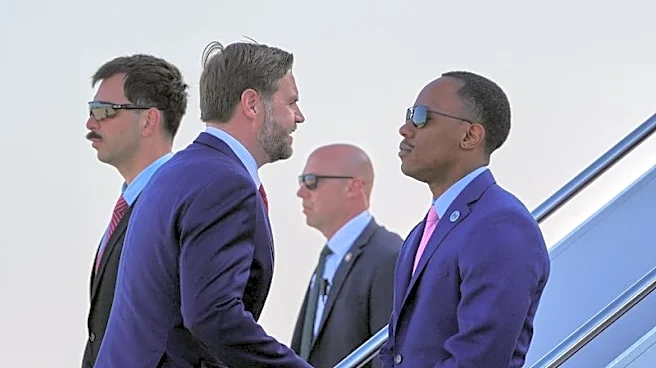
Vice President JD Vance is set to lead a U.S. delegation to Islamabad, Pakistan, for peace talks with Iran. The negotiations aim to address the ongoing conflict involving the U.S., Israel, and Iran, with a focus on reopening the Strait of Hormuz. The talks come
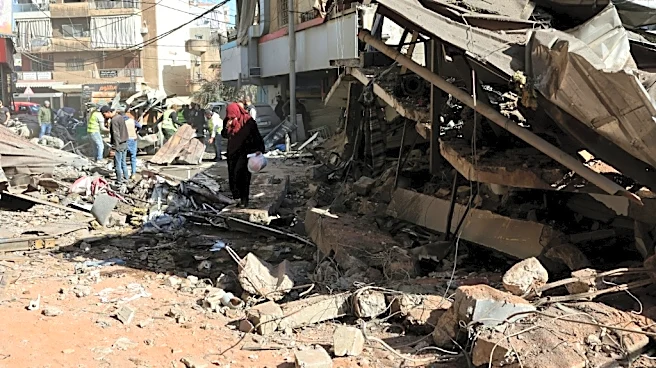
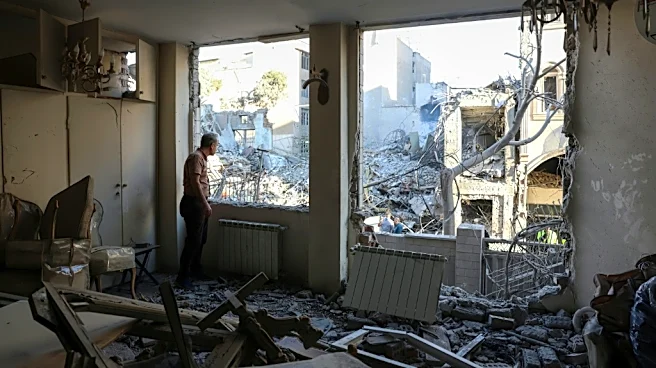
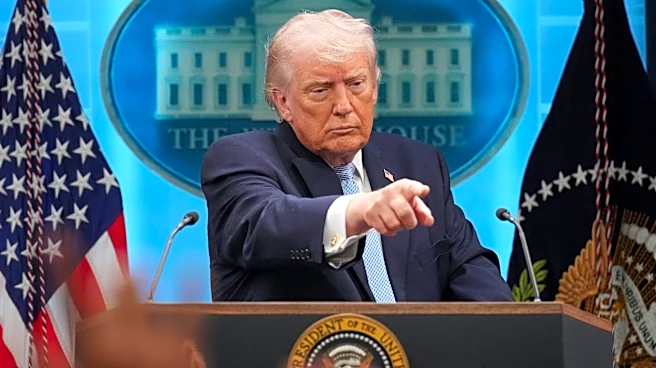
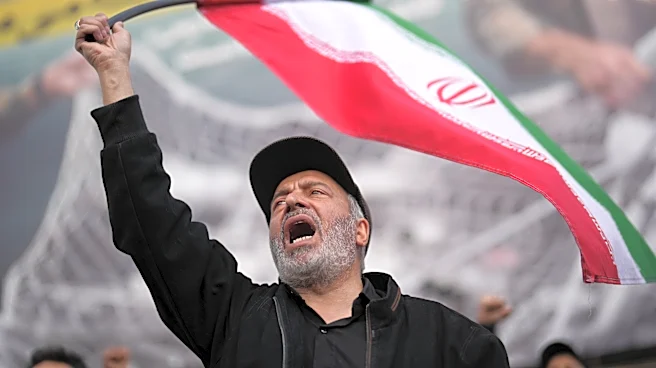
amid a fragile ceasefire, with Iran insisting on Lebanon's inclusion in the ceasefire agreement. Israel, under pressure from President Trump, has agreed to direct talks with Lebanon, marking a significant diplomatic development. The ceasefire, however, remains under strain as Iran demands the inclusion of Lebanon in the peace talks, while Israel continues its offensive against Hezbollah militants.
Why It's Important?
The peace talks represent a critical diplomatic effort to resolve tensions in the Middle East, particularly concerning the strategic Strait of Hormuz, a vital waterway for global oil trade. The outcome of these talks could significantly impact global oil prices and regional stability. The involvement of high-level U.S. officials, including Vice President Vance, underscores the importance of these negotiations. Successful talks could lead to a reduction in military tensions and a potential easing of economic sanctions on Iran, which would have broad implications for international relations and economic stability.
What's Next?
The talks are expected to address key issues such as Iran's nuclear program and its support for regional militias. The U.S. delegation, led by Vance, will need to navigate complex diplomatic challenges, including Iran's demands for sanctions relief and the reopening of the Strait of Hormuz. The outcome of these talks could influence future U.S. foreign policy in the region and impact President Trump's political standing domestically. The negotiations are also likely to affect Israel's military strategy in Lebanon and its broader regional security policies.