





What's Happening?
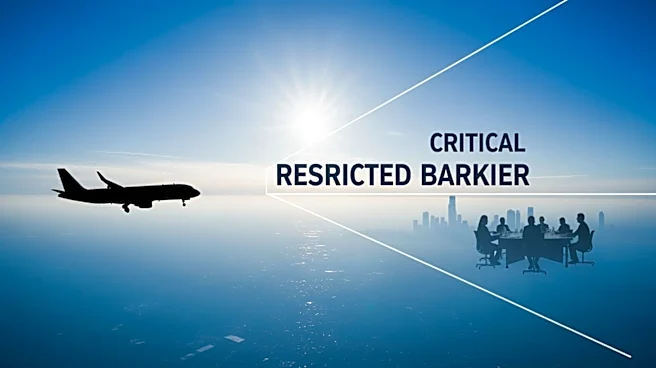
Lithuania, Latvia, and Estonia have decided to deny Slovak Prime Minister Robert Fico the use of their airspace for his planned travel to Moscow for Russia's Victory Day celebrations in May. This decision was confirmed by the respective governments, with
Estonia's Foreign Minister Margus Tsahkna stating that the event is seen as glorifying the aggressor amidst Russia's ongoing conflict with Ukraine. Fico, who attended the event last year despite European calls for a boycott, criticized the decision, questioning why EU member states would restrict the travel of a leader from another EU country. The Victory Day celebrations in Russia are marked by military parades that commemorate the end of World War II, often used to bolster Soviet-era narratives.
Why It's Important?
The refusal by the Baltic states to allow airspace access highlights the ongoing tensions within the European Union regarding relations with Russia. This move underscores the EU's broader stance against Russia's actions in Ukraine, as the bloc continues to impose sanctions and diplomatic pressure. The decision also reflects the internal divisions within the EU, as Slovakia and Hungary have been more sympathetic to Russia, often opposing EU measures to support Ukraine. This situation could further strain EU unity, especially as the bloc considers additional sanctions against Russia. The Baltic states' decision is a clear message of solidarity with Ukraine and a rejection of any actions perceived as supporting Russian aggression.
What's Next?
Prime Minister Fico has indicated he will seek alternative routes to Moscow, as he did previously when faced with similar restrictions. The EU is moving towards implementing its 20th package of sanctions against Russia, with Slovakia potentially vetoing the measure unless assurances are provided regarding the Druzhba pipeline, a critical oil supply route. The ongoing geopolitical dynamics within the EU will likely continue to evolve, with member states balancing national interests against collective EU policies. The situation may prompt further diplomatic discussions and negotiations within the EU to address these internal disagreements.