





What's Happening?
The Grand Portage Band of Lake Superior Chippewa and the Bois Forte Band of Chippewa are formally requesting the Minnesota Environmental Quality Board to conduct a Generic Environmental Impact Statement (GEIS) on the cumulative effects of mining and other
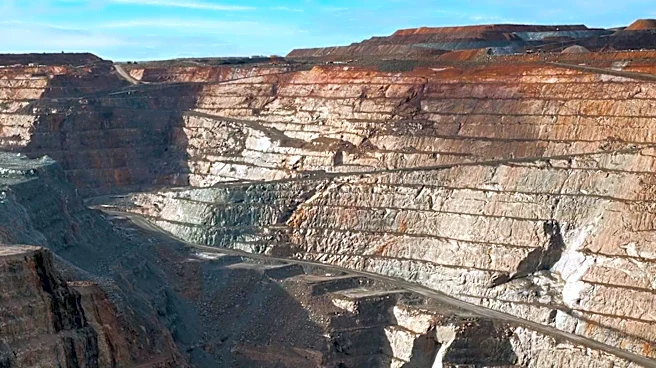
extraction activities across northeastern Minnesota's 1854 Treaty Ceded Territory. This territory spans approximately 5.5 million acres, encompassing Cook, Lake, St. Louis, Carlton, Pine, and Aitkin counties. Unlike project-specific environmental reviews, a GEIS provides a broader analysis of environmental issues, regions, or activity types. The Bands seek a study that examines the combined impacts of past, existing, proposed, and foreseeable future extraction on critical environmental factors such as sulfate, mercury, wetlands, water hydrology, mine dewatering, and habitat alteration. They also request that Governor Tim Walz and state agencies temporarily halt approvals for new extraction permits within the proposed study area until the cumulative review is complete and affected Tribal Nations have been consulted. This request comes as Minnesota considers additional mining development and a new wastewater permit for U.S. Steel’s Minntac taconite operation.
Why It's Important?
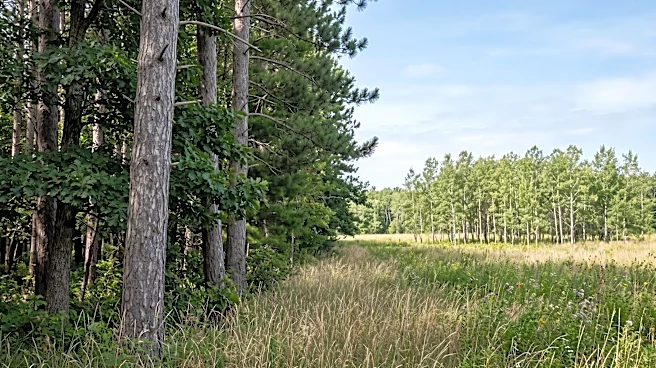
This request is significant because it highlights the ongoing tension between economic development, particularly mining, and the protection of natural resources and treaty-reserved rights of Indigenous communities in the U.S. The 1854 Treaty of La Pointe guarantees the Grand Portage, Bois Forte, and Fond du Lac Bands rights to hunt, fish, and gather in the ceded territory, rights that are intrinsically linked to healthy natural resources. A GEIS would shift the focus from individual project impacts to a holistic assessment of environmental degradation, potentially revealing broader ecological consequences that single project reviews might miss. This could set a precedent for how environmental impact assessments are conducted in areas with significant Indigenous treaty rights, emphasizing cumulative effects over isolated project analyses. For the mining industry, it could mean a more stringent and comprehensive regulatory environment, potentially impacting project timelines and costs. For the state of Minnesota, it underscores the challenge of balancing economic interests with environmental stewardship and tribal sovereignty, potentially influencing future policy decisions regarding resource extraction.
What's Next?
The Grand Portage and Bois Forte Bands will formally submit their request to the Minnesota Environmental Quality Board for a Generic Environmental Impact Statement (GEIS). The Board will then need to decide whether to order such a study. Concurrently, the Minnesota Pollution Control Agency's draft wastewater permit for U.S. Steel’s Minntac operation is open for public comment until October 12, with a public informational meeting scheduled for September 29. The Bands' request for a temporary moratorium on new extraction permits in the study area will also require a response from Governor Tim Walz and relevant state agencies. The outcome of these processes could significantly influence future mining projects and environmental regulations in northeastern Minnesota. If a GEIS is ordered, it would involve extensive research and public input, potentially leading to new guidelines for resource extraction that prioritize cumulative environmental impacts and tribal treaty rights. The decisions made in the coming months will be closely watched by environmental groups, tribal nations, and the mining industry, as they could shape the future of resource management and intergovernmental relations in the region.
Beyond the Headlines
The call for a Generic Environmental Impact Statement (GEIS) by the Grand Portage and Bois Forte Bands delves into deeper ethical and legal dimensions concerning environmental justice and tribal sovereignty. The Bands' argument that 'Wild Rice and fish don’t know where one permit ends and another begins' underscores a fundamental critique of fragmented environmental review processes that often fail to account for the interconnectedness of ecosystems and the cumulative burden of multiple industrial activities. This initiative challenges the conventional project-by-project approach to environmental assessment, advocating for a more holistic, ecosystem-based perspective that aligns with Indigenous worldviews and traditional ecological knowledge. Legally, it reinforces the importance of treaty-reserved rights and the state's obligation to protect these rights, which are dependent on healthy natural resources. Culturally, the preservation of wild rice and fish is not merely an environmental concern but central to the identity, sustenance, and spiritual practices of the Chippewa people. The outcome of this request could therefore have profound implications for how environmental policy is shaped in areas with Indigenous populations, potentially fostering a more integrated and respectful approach to land and resource management that acknowledges both economic needs and ancestral rights.