


What's Happening?
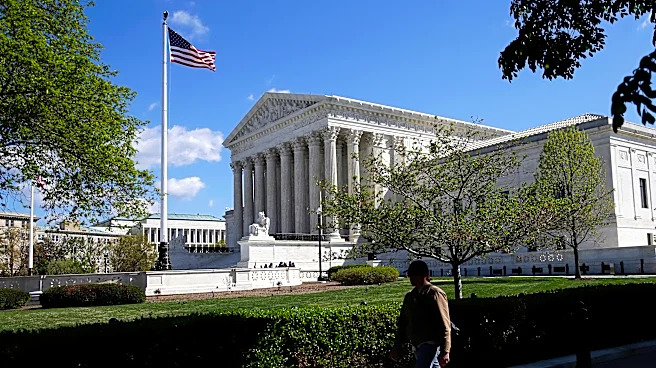
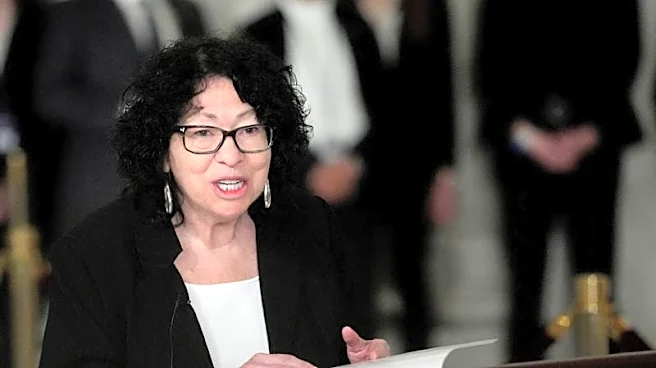
The U.S. Supreme Court has ruled in favor of Chevron USA in a significant case concerning coastal damage in Louisiana. The decision, delivered by Justice Clarence Thomas, was supported by liberal Justices Elena Kagan and Sonia Sotomayor, marking a rare
alignment across ideological lines. The case involved Chevron's oil production activities during World War II, which were conducted under federal direction. The court's ruling allows Chevron to keep the dispute in federal court, citing the federal officer removal statute. Justice Ketanji Brown Jackson concurred with the judgment but expressed caution against a broad interpretation of the statute. The case originated from lawsuits filed by Louisiana parishes under the 1978 State and Local Coastal Resources Management Act, challenging oil and gas companies for activities conducted without permits.
Why It's Important?
This ruling is significant as it underscores the complexities of legal accountability for historical environmental impacts. By allowing Chevron to litigate in federal court, the decision could influence the handling of similar cases involving historical activities conducted under federal directives. The ruling also highlights the ongoing legal battles over environmental responsibility and the role of federal statutes in shielding companies from state-level lawsuits. The decision may impact future litigation strategies for both corporations and environmental advocates, potentially affecting how historical environmental damages are addressed in the U.S.
What's Next?
The case will return to the Fifth Circuit Court of Appeals for further examination under the Supreme Court's guidance. This could set a precedent for how similar cases are handled, particularly those involving historical activities under federal direction. The outcome may also affect ongoing and future claims seeking damages for environmental restoration, potentially reshaping the legal landscape for environmental accountability.