
What's Happening?
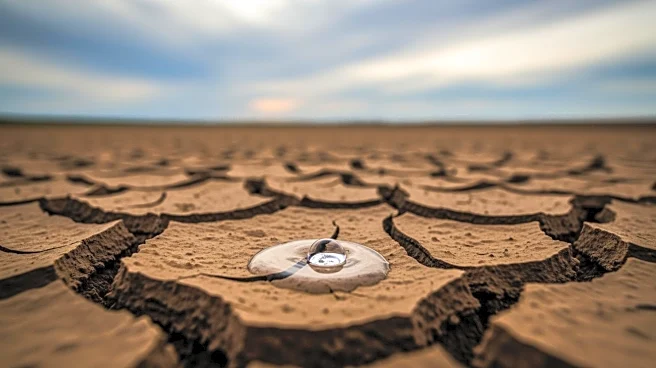
Iran has experienced its first autumn rain in months, providing temporary relief to the drought-stricken nation. However, the country continues to grapple with a severe water crisis exacerbated by inefficient
water use in agriculture and climate change. The drought has led to significant water shortages, with reservoirs at critically low levels. The Iranian government has warned of potential relocations of government operations if the situation does not improve. The crisis has also sparked political tensions, with offers of assistance from international figures like Israeli Prime Minister Benjamin Netanyahu.
Why It's Important?
The water crisis in Iran highlights the broader challenges of water management in arid regions, particularly as climate change intensifies. The situation underscores the need for sustainable water practices and international cooperation in addressing environmental issues. The crisis also poses a threat to regional stability and food security, as Iran's agricultural sector is heavily reliant on water. The potential relocation of government operations due to water shortages could have significant economic and political implications for the country.
What's Next?
Iran may need to implement emergency water rationing and explore alternative water sources to mitigate the crisis. The government might also consider policy reforms to improve water efficiency in agriculture. International collaboration and support could play a crucial role in addressing the crisis, although political tensions may complicate such efforts. The situation will likely continue to be a focal point of domestic and international discussions on climate change and resource management.