




What's Happening?
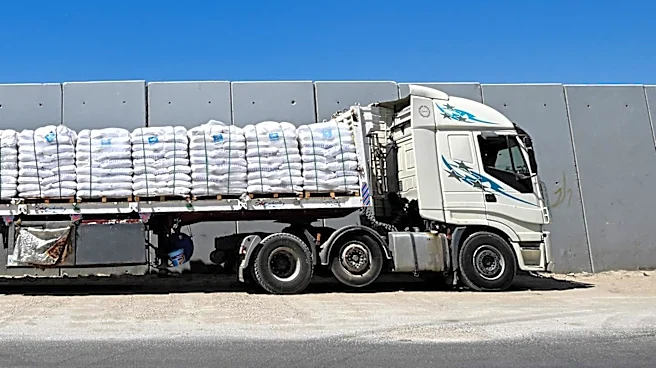
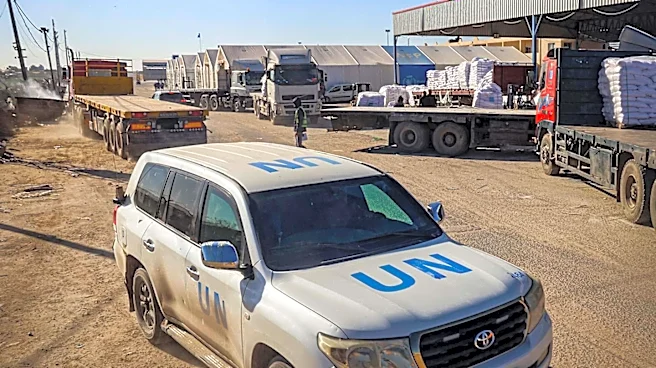
The United Nations has reported a 33% increase in humanitarian aid supplies entering the Gaza Strip in July 2026 compared to the previous month. This increase, amounting to over 55,000 pallets or 35,000 metric tons of aid, marks a significant rise in the volume
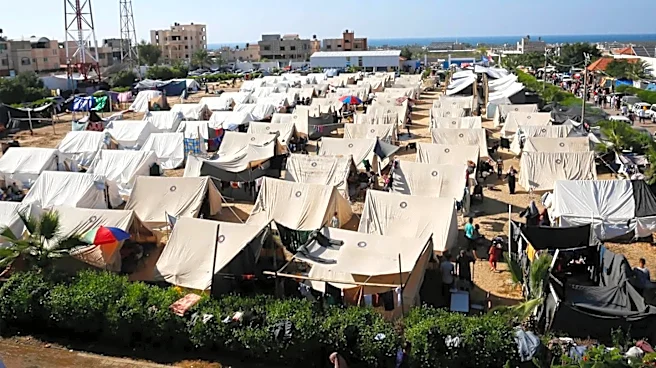
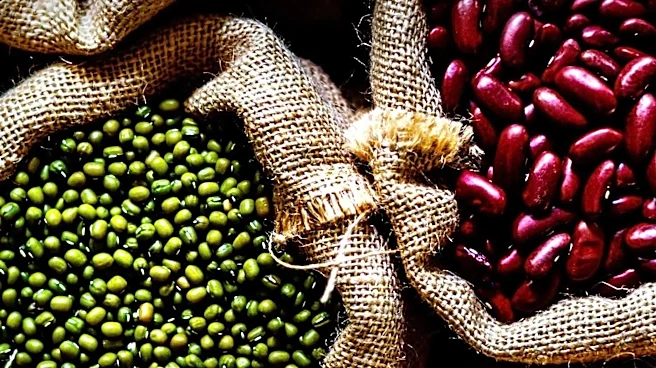
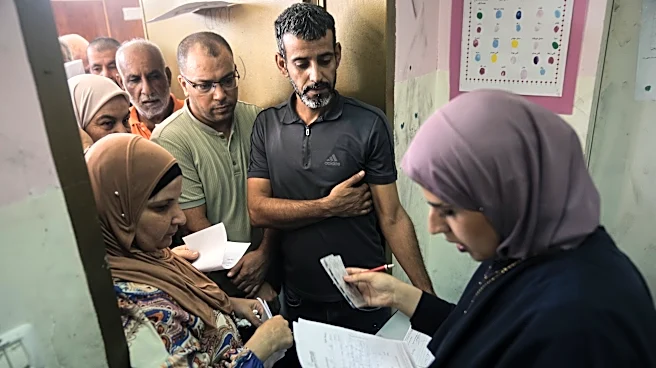
of supplies, bringing it closer to pre-escalation levels. Despite this progress, the UN warns that critical restrictions remain, affecting the types of supplies allowed into Gaza. The majority of the aid consists of food, with smaller quantities of shelter, water, sanitation, hygiene, and health items. The humanitarian needs in Gaza remain immense, with ongoing challenges in accessing necessary resources. Additionally, the UN has highlighted the humanitarian situation in the occupied West Bank, where recent military operations have caused widespread damage to homes and businesses.
Why It's Important?
The increase in aid to Gaza is crucial as it addresses the severe humanitarian needs of the population, which has been significantly affected by ongoing conflicts. The restrictions on aid types continue to pose challenges, potentially hindering comprehensive relief efforts. The situation in Gaza and the West Bank has broader implications for regional stability and international relations, as it involves complex geopolitical dynamics. The humanitarian crisis impacts not only the immediate well-being of the affected populations but also the long-term prospects for peace and development in the region. The international community's response, including aid delivery and diplomatic efforts, plays a critical role in addressing these challenges and supporting recovery efforts.
What's Next?
Continued monitoring and advocacy by international organizations are expected to address the ongoing restrictions on aid supplies to Gaza. Efforts to negotiate increased access and support for humanitarian needs will likely continue. The situation in the West Bank may also prompt further international attention and potential diplomatic interventions. Stakeholders, including governments and non-governmental organizations, may increase their efforts to provide aid and support to affected populations. The evolving political and security dynamics in the region will influence the future of humanitarian access and the broader peace process.