


What's Happening?
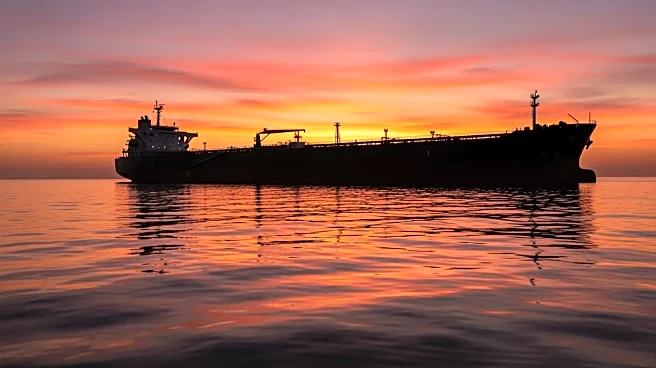
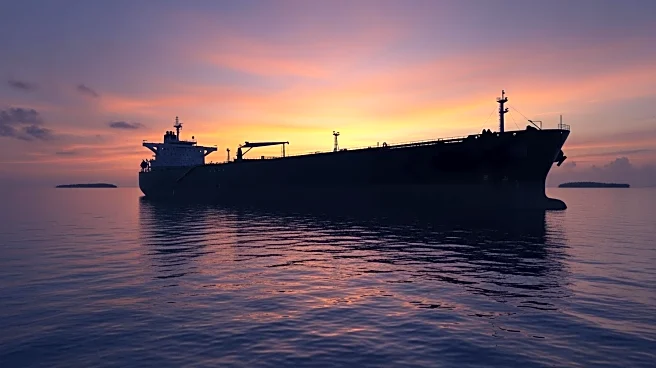
The United States has seized a Venezuelan oil tanker shortly after it departed from a port, intensifying tensions in the Caribbean region. The tanker was reportedly under sanctions, and its seizure has been labeled by Venezuela as a serious international
crime. The Venezuelan government has expressed strong opposition to the U.S. action, vowing to defend its sovereignty and interests. This incident adds to the ongoing geopolitical friction between the two nations, which have been at odds over various issues, including economic sanctions and political disagreements.
Why It's Important?
The seizure of the Venezuelan oil tanker by the U.S. is significant as it highlights the ongoing geopolitical tensions between the two countries. This action could have broader implications for international relations and trade, particularly in the oil sector. Venezuela, which relies heavily on oil exports for its economy, may face further economic challenges due to such interventions. Additionally, this move could strain diplomatic relations not only between the U.S. and Venezuela but also with other countries that may view the seizure as an overreach of U.S. authority. The incident underscores the complexities of international sanctions and their enforcement, potentially affecting global oil markets and international diplomatic efforts.
What's Next?
In response to the seizure, Venezuela is likely to seek diplomatic channels to address the situation, possibly involving international bodies or allies to mediate. The U.S. may face diplomatic pushback from countries sympathetic to Venezuela or those critical of unilateral sanctions. This incident could lead to increased scrutiny of U.S. actions in international waters and may prompt discussions on the legality and ethics of such seizures. The situation may also influence future U.S. foreign policy decisions regarding sanctions and international maritime operations.