






What's Happening?
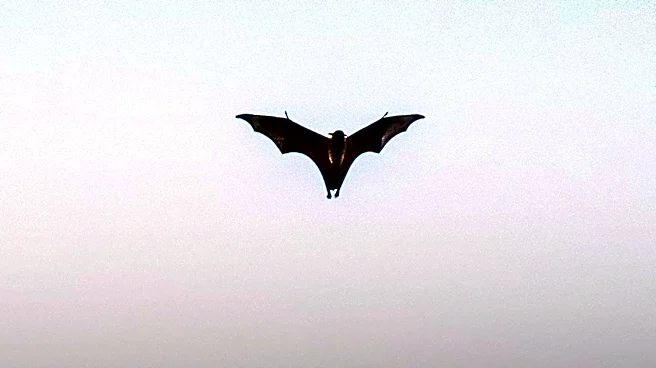
Los Angeles County public health officials have reported a record 69 rabid bats, matching the highest number ever recorded, even before the peak season concludes. This influx has prompted a public health advisory, urging residents to exercise caution.
The majority of these rabid bats, specifically 68%, were found in the Santa Clarita Valley, a trend consistent with observations over the past decade. Most of the infected bats were identified as canyon bats, a species prevalent in deserts, woodlands, and shrublands, where they typically roost in rock crevices or among boulders. Experts suggest that rabies may be circulating intensely within this local bat population. Dr. Muntu Davis, Los Angeles County health officer, emphasized that while bats are crucial to the environment, they can transmit rabies, a disease that is almost always fatal once symptoms manifest. Residents are advised to contact their medical provider or Public Health immediately if they encounter a bat indoors or suspect contact with one.
Why It's Important?
This significant increase in rabid bat detections in Los Angeles County highlights a persistent public health concern, particularly given that rabies is nearly always fatal once symptoms appear. Although human cases of rabies are rare in the U.S. and California, the potential for transmission necessitates heightened public awareness and preventative measures. The concentration of rabid bats in the Santa Clarita Valley suggests a localized ecological issue, potentially impacting both human and pet populations in that region. The advisory underscores the importance of understanding bat behavior and the risks associated with contact, especially as bats adapt to urban environments, roosting in homes and public structures. This situation also brings to light the broader role of public health agencies in monitoring zoonotic diseases and educating the public on how to mitigate risks, ensuring community safety while respecting wildlife.
What's Next?
Public health officials will likely continue to monitor bat populations and rabies incidence closely, especially as the peak season for bat activity concludes. Residents are advised to remain vigilant and follow recommended precautions, such as bat-proofing their homes by sealing openings and installing screens. If a bat is found inside a home, the recommendation is to open windows and turn on lights to encourage its exit, and never to touch it directly. Medical attention should be sought immediately after any suspected contact with a bat, as post-exposure rabies vaccination can prevent the disease. Further public awareness campaigns may be launched to educate residents on safe practices and the importance of reporting bat encounters to local health authorities or animal control. The long-term implications could involve increased research into bat populations and rabies transmission dynamics in urbanized areas.
Beyond the Headlines
The surge in rabid bat detections in Los Angeles County points to a complex interplay between urban expansion and wildlife habitats. As human development encroaches on natural environments, wildlife, including bats, increasingly adapt to living in close proximity to human populations. This adaptation can lead to more frequent human-wildlife interactions, elevating the risk of zoonotic disease transmission. Beyond the immediate health concerns, this situation highlights the ecological importance of bats, which play vital roles in insect control and pollination. The challenge lies in balancing public safety with wildlife conservation, requiring strategies that protect both human health and biodiversity. This event could also prompt a re-evaluation of public health messaging regarding wildlife, emphasizing coexistence and preventative measures rather than fear, to foster a more informed and responsible public response to such encounters.