






What's Happening?
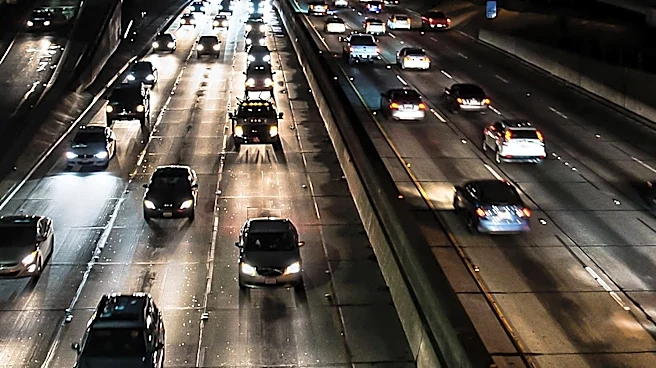
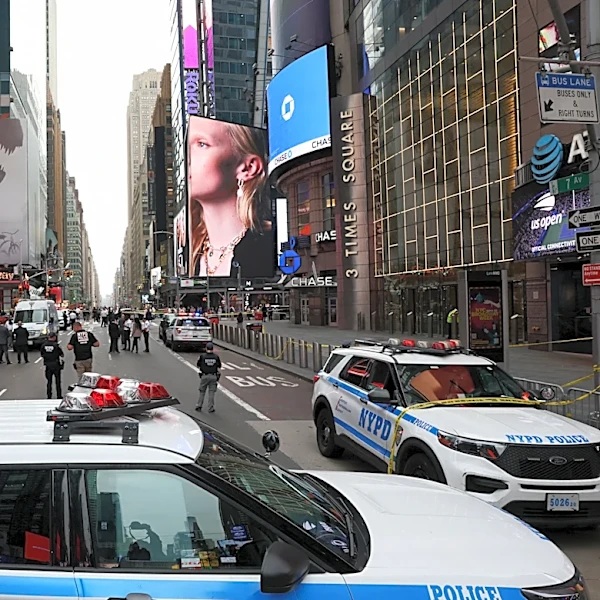
The Dallas Police Department (DPD) is taking over traffic enforcement and crash investigations on all freeways within the city, including those managed by the North Texas Tollway Authority. This expansion of the DPD's traffic unit comes as two existing
patrol agreements are concluding. The arrangement between Dallas County and the city for patrolling certain Dallas highways ended on Friday, and the Texas Department of Public Safety's agreement to patrol NTTA roads is set to expire on Monday. This shift signifies a larger role for the DPD on the city's highways, a responsibility that has largely been handled by other agencies in recent years. The DPD is expanding its Traffic Unit in response to the conclusion of a 17-year partnership with the Dallas County Sheriff’s Office.
Why It's Important?
This change is important for Dallas residents and commuters as it centralizes freeway patrol under the Dallas Police Department. The move aims to improve response times and streamline traffic management across the city's extensive highway network. While officials state that this shift should not impact 911 call coverage, the transition of responsibilities from county and state agencies to the DPD could lead to initial adjustments in enforcement strategies and response protocols. For drivers, this means a different badge at their window during traffic stops or crash incidents. The increased presence of DPD on freeways could potentially lead to more consistent enforcement of traffic laws and a unified approach to accident investigations, impacting daily commutes and overall road safety within Dallas.
What's Next?
With the Dallas Police Department now fully responsible for freeway patrols, the immediate next steps will involve the full integration of their expanded traffic unit into these new duties. The department will likely focus on ensuring a smooth transition of responsibilities previously held by the Dallas County Sheriff’s Office and the Texas Department of Public Safety. Residents can expect to see a more visible DPD presence on all city freeways. The effectiveness of this new arrangement in improving response times and traffic flow will be closely monitored. The DPD will also need to manage any potential challenges arising from the increased workload and ensure adequate staffing and resources are allocated to maintain effective freeway coverage.
Beyond the Headlines
The consolidation of freeway patrol under the Dallas Police Department could have broader implications for inter-agency cooperation and resource allocation in urban policing. This move reflects a strategic decision by the city to assert greater control over its infrastructure and public safety within its municipal boundaries. It also highlights the evolving dynamics between local, county, and state law enforcement agencies in managing shared responsibilities. The success of this transition could serve as a model for other large metropolitan areas facing similar challenges with fragmented jurisdictional oversight on major transportation arteries. Furthermore, it could influence future discussions on funding and staffing for police departments as they take on expanded roles.