

What's Happening?
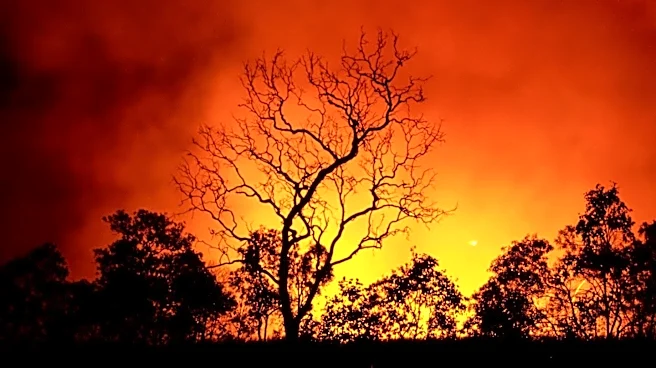
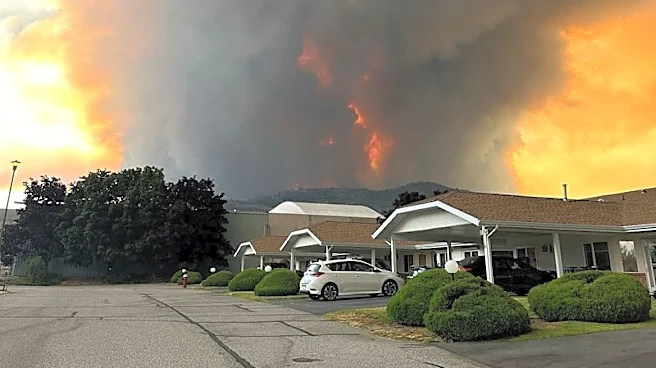
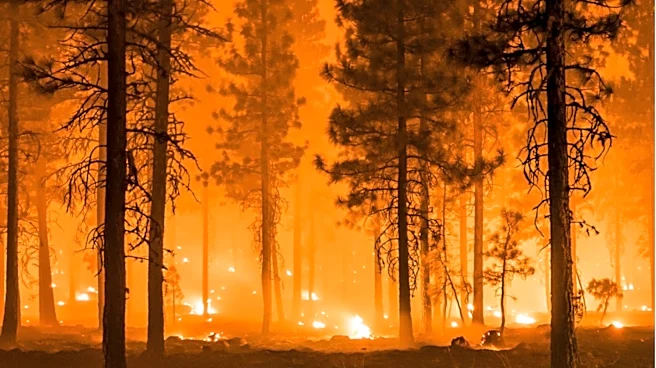
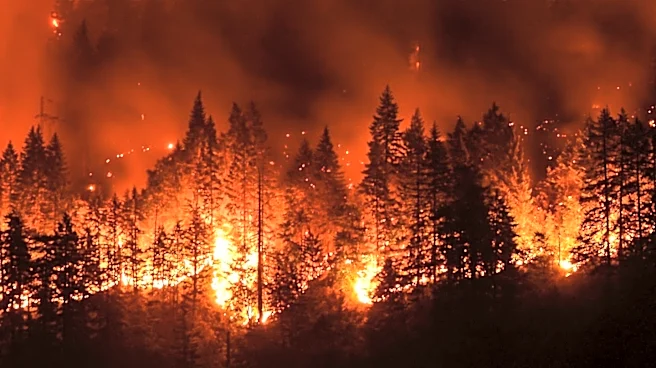
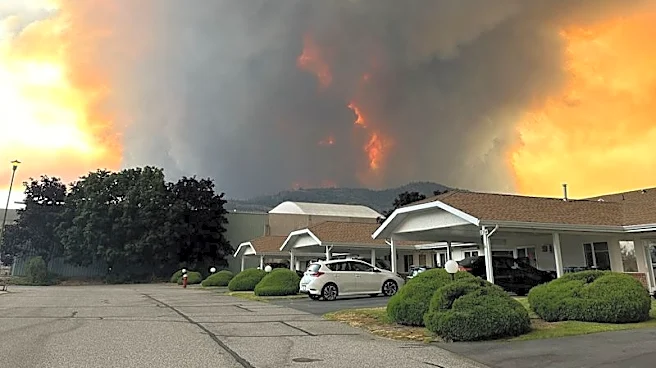
British Columbia has declared a state of emergency as wildfires ravage the region, forcing over 20,000 residents to evacuate. The fires, exacerbated by hot, windy weather and drought conditions, have destroyed homes and threatened communities along Okanagan
Lake. Emergency officials, including Erick Thompson, have been forced to evacuate, highlighting the severity of the situation. The fires have grown rapidly, creating their own weather systems and posing significant challenges to firefighting efforts.
Why It's Important?
The wildfires in British Columbia are a stark reminder of the increasing frequency and intensity of natural disasters linked to climate change. The mass evacuations and destruction of property underscore the urgent need for effective disaster management and climate resilience strategies. The situation also highlights the cross-border implications of such events, as smoke and environmental impacts can affect neighboring regions, including parts of the United States. The economic and social costs of these disasters are significant, affecting communities, infrastructure, and public health.
What's Next?
Authorities are continuing to monitor the situation closely, with firefighting efforts ongoing to contain the blazes. The state of emergency allows for additional resources and measures to be deployed, including travel restrictions and securing accommodations for evacuees. As the fires continue to pose a threat, further evacuations may be necessary. The situation calls for coordinated efforts between local, provincial, and federal agencies to manage the crisis and support affected communities.