





What's Happening?
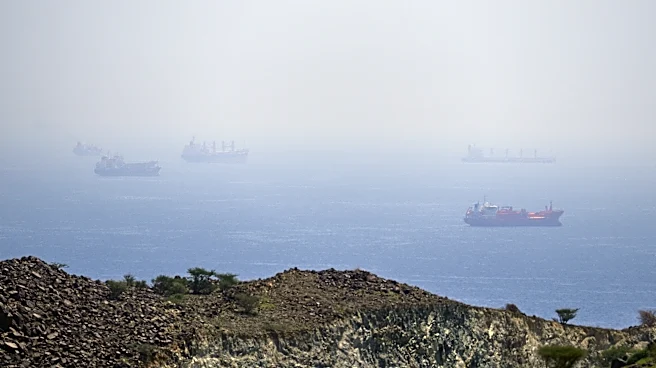
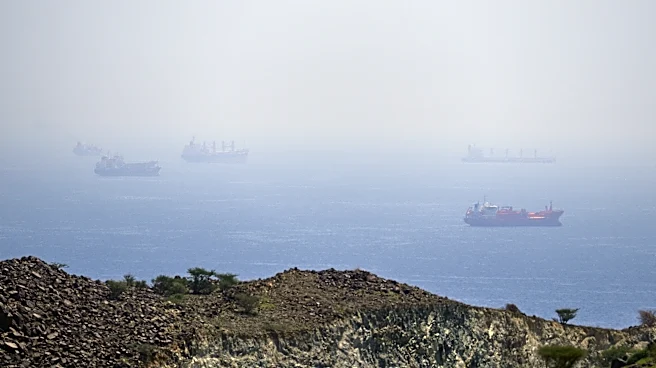
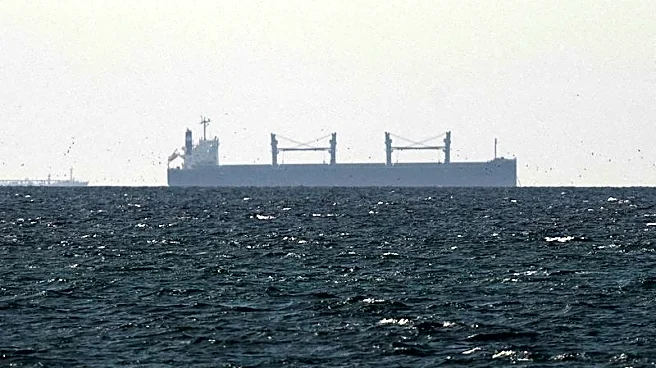
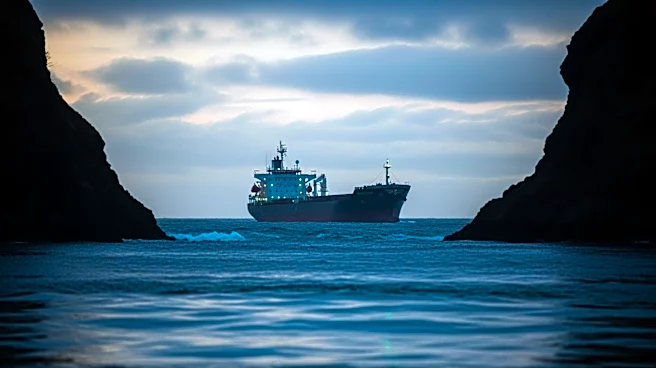
Iran has begun collecting toll revenues from ships passing through the Strait of Hormuz, a strategic waterway crucial for global oil transport. This move follows Iran's blockade of the strait in response to U.S. and Israeli military operations. The tolls
are part of Iran's strategy to assert control over the strait and counter U.S. influence. Iranian officials have stated that the tolls are deposited into the state's central bank, and the amount varies based on the ship's cargo and risk level. This development comes shortly after President Trump extended a ceasefire agreement with Iran, despite previous threats of military action.
Why It's Important?
The collection of tolls by Iran in the Strait of Hormuz has significant implications for global oil markets and geopolitical stability. The strait is a vital chokepoint for oil shipments, and Iran's control over it can influence global oil prices, which have already surged past $100 per barrel. The tolls represent a shift in power dynamics, with Iran making demands rather than negotiating with the U.S. This situation could lead to increased tensions between Iran and Western nations, potentially affecting international trade and energy security.
What's Next?
The U.S. and its allies may respond to Iran's toll collection with diplomatic or economic measures, potentially escalating tensions in the region. The continuation of the ceasefire agreement and any future negotiations will be critical in determining the stability of the Strait of Hormuz. The international community will likely monitor the situation closely, as any disruption in the strait could have far-reaching consequences for global oil supply and prices.