


What's Happening?
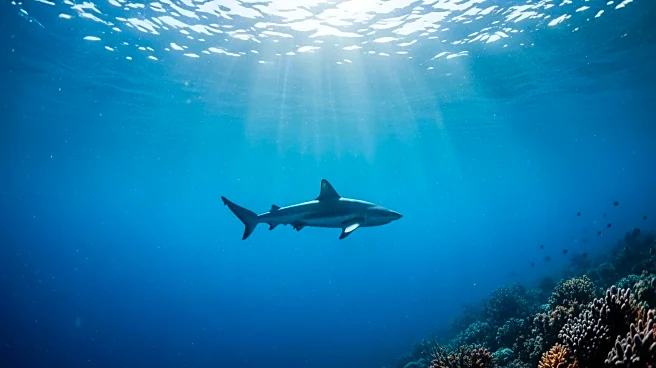
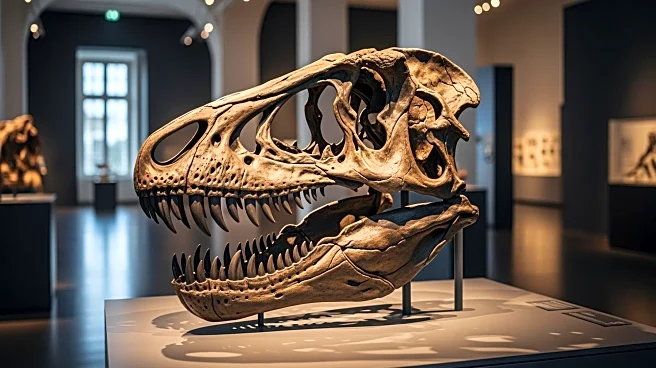
A recent study led by Swansea University has found that the asteroid impact, which caused the extinction of the dinosaurs, had a minimal effect on shark and ray species. The research utilized artificial intelligence models and the most comprehensive fossil
dataset of sharks and rays to map their evolutionary history over 145 million years. The study revealed that species numbers comparable to modern levels were already established during the Cretaceous period, more than 100 million years ago. The asteroid impact resulted in only a 10 percent decline in these species, a stark contrast to the mass extinction experienced by non-avian dinosaurs and many marine predators.
Why It's Important?
The findings of this study are significant as they challenge previous theories about the impact of the asteroid event on marine life. The minimal decline in shark and ray species suggests that these groups were more resilient to the catastrophic event than previously thought. This resilience could provide insights into the evolutionary adaptations that allowed these species to survive and thrive. Understanding these patterns is crucial for conservation efforts, as it highlights the long-term evolutionary context of sharks and rays, which are currently facing threats from overfishing and climate change.
What's Next?
The study's findings could influence future conservation strategies for sharks and rays by providing a historical baseline for their diversity. Researchers may continue to explore the evolutionary history of these species to better understand their resilience to environmental changes. Additionally, the use of AI in paleontological research could be expanded to other species and events, offering new insights into the history of life on Earth.