







What's Happening?
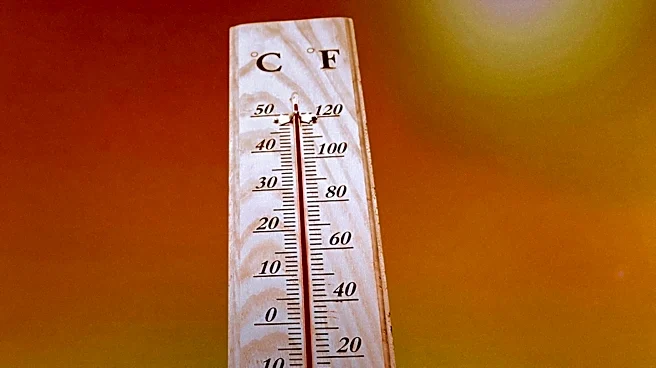
A heat dome is causing extreme temperatures across the United States, affecting approximately 100 million people. The phenomenon, which traps hot air over a region, has led to record-breaking temperatures in areas such as Billings, Montana, where temperatures reached
111 degrees. The heat is expected to spread from the western U.S. to the Northeast, with temperatures forecasted to be 20 to 30 degrees above average. The National Weather Service has issued warnings about the increased risk of heat-related illnesses and wildfires, particularly in regions not accustomed to such extreme heat.
Why It's Important?
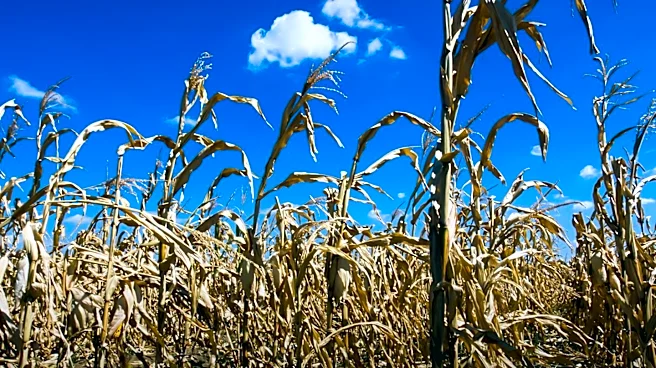
The widespread heat alerts highlight the growing impact of climate change on weather patterns, with extreme heat events becoming more frequent and severe. This situation poses significant health risks, particularly for vulnerable populations, and increases the likelihood of wildfires, which can have devastating effects on communities and ecosystems. The economic implications are also considerable, as businesses and infrastructure must adapt to cope with the challenges posed by extreme weather conditions.
What's Next?
As the heat dome continues to affect large parts of the U.S., authorities are likely to maintain or extend heat advisories and warnings. Emergency services and public health officials will need to remain vigilant, providing support and resources to those affected. Long-term, this event may prompt further discussions on climate resilience and the need for infrastructure improvements to better withstand extreme weather events.